The Secret Sauce: Defining the "Grocery Boutique" and Its Coolest Features
By George Goodwin
The word “boutique” often makes people think of small fashion shops or trendy cafés. But in today’s retail world, grocery boutiques are making waves by changing the way we shop for food. They bring together style, quality, and convenience in one unique shopping experience.
If you’ve ever walked into a grocery store that feels more like a lifestyle destination than a traditional supermarket, you’ve probably stepped inside a grocery boutique.
What features are making some of these specialty stores stand out from the crowd? It all comes down to creating unique moments that go beyond aisles and shelves.
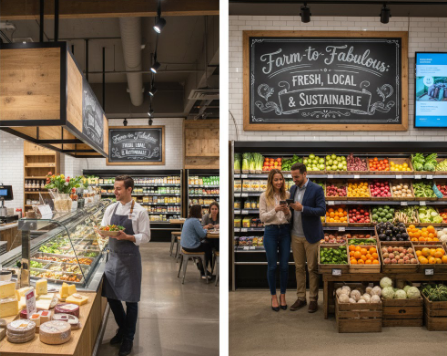
What Is a Grocery Boutique?
A grocery boutique is a small, curated food store that focuses on quality over quantity. Instead of carrying thousands of products like big supermarkets, a boutique grocery shop carefully selects items to match its theme, location, and customer base.
They often highlight local, organic, or artisanal products.
The layout and design are usually more stylish and intimate.
Many also feature in-store cafés, wine corners, or specialty delis.
Stat: According to Forbes, U.S. shoppers are spending 40% more on specialty food items compared to five years ago, showing how boutique-style grocery shopping is on the rise.
1. The Blurring of Retail and Dining (Grocerants)
The coolest boutiques are bridging the gap between shopping and eating out.
Prepared Food Hubs: They offer chef-driven meals, gourmet cheese counters, sushi stations, or high-end deli services. Many even have seating areas where you can enjoy a coffee or a prepared meal right after you buy your ingredients.
Produce Preparation Stations: Imagine a "Produce Butcher" who can slice, dice, or chop your fresh vegetables for you, making meal prep effortless.
2. Interactive and Themed Displays
These stores treat their products like works of art, using visual design to draw you in.
Market-Style Merchandising: Fresh produce is often displayed in rustic wooden crates or tiered stands, highlighting freshness and quality.
Recipe Inspiration: Displays are set up to group complementary products, like placing artisan bread next to spreads and jams, encouraging cross-selling opportunities and making the customer's journey easier.
Interactive Info: Shoppers can use apps to scan product barcodes to see detailed information, including ingredients, sourcing, and even recipe suggestions that use the items they are browsing. This is about empowering the customer to make informed decisions.
3. Focus on Local and Sustainable Sourcing
The modern shopper cares about where their food comes from. Grocery boutiques lean heavily into this.
Locavore's Paradise: They partner with local farmers and artisans to curate a hyper-local selection, creating a true farm-to-table experience right in the store.
Sustainability Story: Displays often highlight information about sustainable products, helping shoppers who want to reduce their food miles and support ethical farming. Quote with stat/fact: "44% of shoppers prefer to shop with a retailer willing to reduce food miles by focusing on locally-sourced products."
Coolest Grocery Boutique Examples
Here are a few styles of grocery boutiques making headlines:
Urban Boutiques – Trendy stores in big cities focusing on imported goods, vegan items, or luxury snacks.
Farm-to-Shelf Stores – Directly stocking produce from local farms.
Eco-Friendly Boutiques – Zero-waste or refill stations where customers bring their own containers.
Hybrid Grocery + Café Spaces – Shops where you can grab groceries and enjoy a latte or pastry.
“Shoppers aren’t just buying groceries anymore—they’re buying an experience.” – Retail Dive
FAQs Section
Q1: Is a grocery boutique the same as a convenience store?
A: No, they're quite different. A convenience store prioritizes speed and basic essentials in a small format. A grocery boutique is a specialty store that emphasizes a curated, high-quality product selection, a unique shopping experience, and often a greater focus on gourmet or local items. They are focused on quality and atmosphere, not just quick transactions.
Q2: How can I make my grocery store more like a boutique?
A: You can start by improving your presentation and selection. Focus on optimizing your store layout with welcoming entrances and clear signage. Introduce specialty artisanal items like locally-made cheeses or baked goods. Host free in-store demos and tasting events to create an immersive experience.
Q3: Do I have to use expensive materials for a boutique look?
A: Not necessarily. You can achieve a rustic, charming, or high-end look using smart design elements. For example, tiered crates and baskets create an authentic market feel for produce. Thoughtful lighting and color choices (like cool greens for produce, or warm yellows for a bakery) are low-cost ways to improve your store's ambiance and give the impression of quality.
Q4: What is the difference between a grocery boutique and a supermarket?
A: A supermarket offers thousands of everyday products at scale, while a grocery boutique offers a smaller, carefully selected range of premium or local items.
Q5: Are grocery boutiques more expensive?
A: Yes, boutique groceries may charge more, but shoppers often see it as paying for quality, freshness, and a better experience.

Key Takeaways
A grocery boutique is a curated, stylish food store that focuses on quality and unique products.
They’re popular because they provide a personal, high-quality, community-driven shopping experience.
Traditional grocery chains can add boutique touches to attract modern shoppers.
Call to Action
Ready to upgrade your grocery experience or elevate your own specialty store? Take a moment to identify one area of your current grocery routine or business—be it a lack of locally-sourced items or a dull-looking produce display—and find one boutique feature to implement this week. Start curating your food life today!
Grocery boutiques are more than just food stores—they’re lifestyle destinations. Whether you’re a shopper looking for better quality or a grocery owner aiming to stand out, the boutique model is worth paying attention to.
🌐 Explore Innovar Marketing Agency → innovaragency.com
👉 If you’re a grocery store owner, try adding one boutique-style element this month—like a local product display, an in-store tasting, or an eco-friendly refill station. It could be the start of something big!