The Coolest Grocery Boutique Stores and the Trends Driving Their Success
By George Goodwin
Grocery shopping isn’t just about filling a cart anymore. Today’s coolest grocery boutique stores feel more like a destination than a routine errand. Shoppers come for the experience, the discovery, and the feeling that they’ve found something special they can’t get everywhere else. So what separates a boutique grocery store that thrives from one that struggles? Let’s break down the key trends driving success for modern grocery boutiques—and how retailers can apply them to grow foot traffic, loyalty, and sales.
If you walk into a standard supermarket, you are hit with "Analysis Paralysis." Do you really need to choose between 40 different brands of ketchup? The modern shopper—especially Gen Z and Millennials—is tired of endless, mediocre options. They crave Curation. They want a store that says, "We tasted everything, and these are the only three ketchups that matter." This shift has given birth to the Grocery Boutique. These stores are rewriting the rules of retail by focusing on aesthetics, exclusive products, and community vibes. As a 4th generation grocer, I can tell you: this isn't just a trend; it's the future of high-margin retail.
What Is a Grocery Boutique Store?
A grocery boutique store is typically:
Smaller than a big-box supermarket
Highly curated (not everything for everyone)
Focused on experience, storytelling, and quality
Designed for discovery and impulse buying
These stores don’t try to win on price alone—they win on vibe, values, and uniqueness.
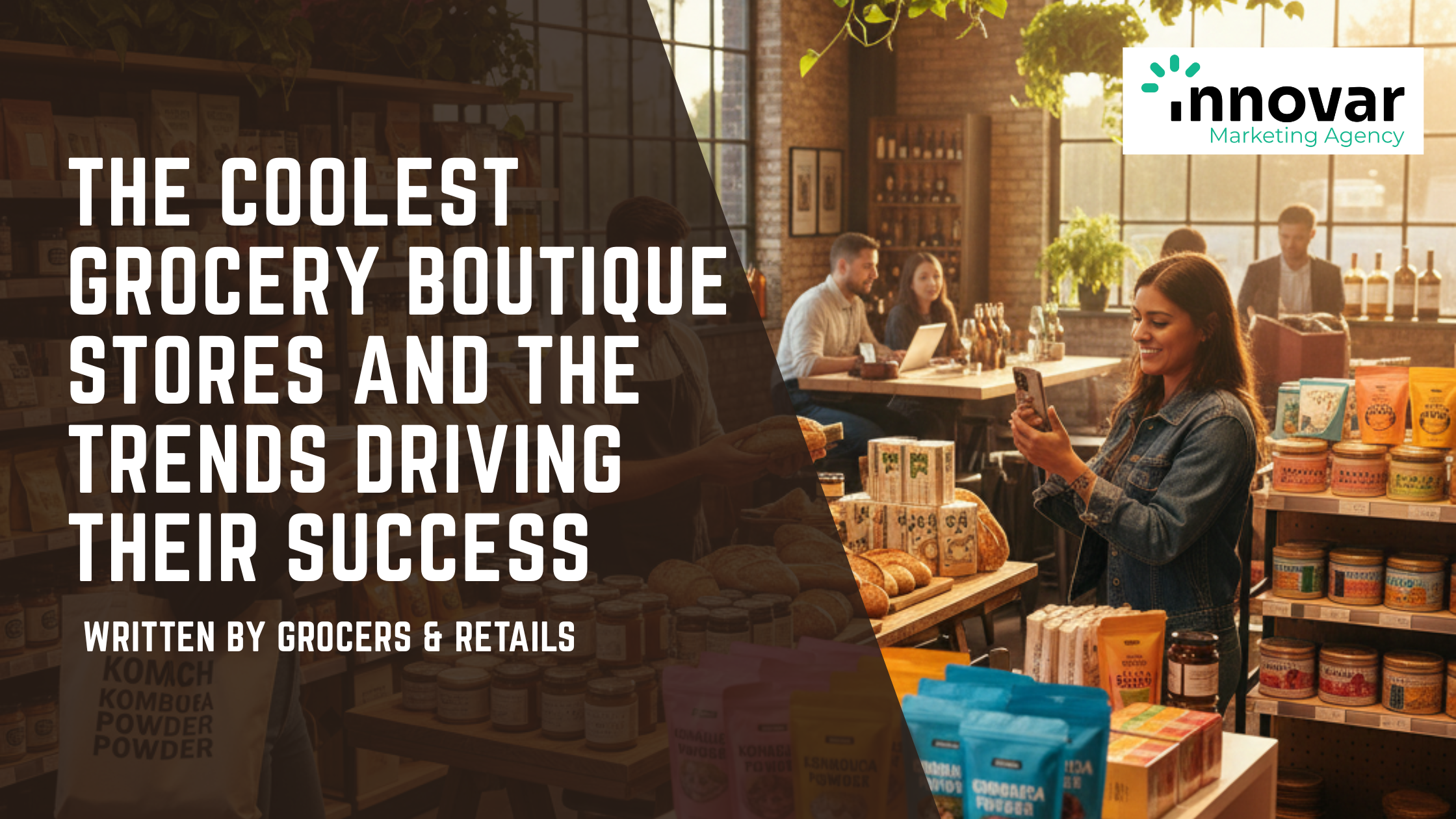
Why Grocery Boutique Stores Are Growing Fast
Shoppers are burned out on sameness.
“67% of consumers say they prefer buying from brands that feel personal and local.”
— Accenture Consumer Research
Boutique grocery stores succeed because they:
Feel human and intentional
Highlight brands with stories
Create emotional connection
Make shopping feel fun again
Trend #1: Curated, High-Margin Product Selection
The best grocery boutiques don’t overload shelves. They focus on:
Trending CPG brands
Clean-label and functional products
Premium snacks and beverages
Items customers didn’t know they wanted
Why this works:
Less SKU clutter = easier decisions
Higher perceived value = better margins
Curated shelves encourage impulse buys
Many successful boutiques rotate products often to keep shoppers curious.
Trend #2: Experience-First Store Design
Design matters—more than ever. Cool grocery boutiques invest in:
Clean, Instagram-friendly layouts
Warm lighting and natural textures
Clear signage and storytelling
Easy-to-navigate aisles
Stores with strong visual merchandising see up to 40% higher sales per square foot.
When a store looks good, shoppers stay longer—and spend more.
Trend #3: Strong Brand Storytelling on Shelves
Products don’t just sit on shelves anymore—they communicate. Boutique stores highlight:
Founder stories
Ingredient sourcing
Health benefits
Local partnerships
How they do it:
Shelf talkers
QR codes
Simple product descriptions
In-store signage
This turns browsing into education, which builds trust and boosts conversion.
Trend #4: Local, Independent, and Purpose-Driven Brands
Boutique grocery shoppers care where products come from. They actively seek:
Local brands
Minority- or women-owned companies
Sustainable packaging
Ethical sourcing
78% of consumers say sustainability influences their purchase decisions.
Carrying purpose-driven brands gives boutiques a clear identity and competitive edge.
Trend #5: Social Media Meets In-Store Discovery
The coolest grocery boutiques don’t separate online from offline. They use:
TikTok and Instagram Reels
“New arrival” videos
Staff product picks
Trending product shelves
Shoppers often see products online before they walk into the store. This creates:
Anticipation
Familiarity
Faster in-store decisions
Trend #6: Smaller Footprints, Smarter Merchandising
Boutique stores prove that bigger isn’t better. Smaller spaces mean:
Faster shopping trips
Lower overhead
More intentional product placement
Higher sales per square foot
Every shelf earns its spot.
Trend #7: Community-Led Marketing (Not Paid Ads)
Most boutique grocery stores grow without massive ad budgets. They rely on:
Word of mouth
Community events
Local partnerships
Email and social media
Shoppers trust local recommendations more than paid advertising. This keeps marketing authentic—and free.
How Grocery Stores Can Apply Boutique Trends (Even at Scale)
You don’t need to be a tiny shop to think boutique. Chains can:
Create boutique-style sections
Highlight local brands
Test curated end caps
Rotate trending products
Improve shelf storytelling
Small changes can make a big difference in how shoppers feel inside your store.
Key Takeaways
Grocery boutiques win through curation, experience, and storytelling
Shoppers value discovery over endless choice
Design and merchandising directly impact sales
Local and purpose-driven brands attract loyalty
Social media fuels in-store demand
Boutique thinking works for chains too
Be an Editor: Stop trying to be Amazon. Be the expert who selects the best items for your customer.
Make it "Phygital": Design your store to look good on phones. If people aren't taking photos, your design needs work.
Events Matter: Host tastings, "meet the maker" nights, or exclusive drops to turn your store into a destination.
“The future of grocery belongs to stores that feel less like warehouses and more like communities.”
FAQs: Grocery Boutique Stores
What makes a grocery store a boutique?
Curated products, intentional design, storytelling, and a strong brand identity.
Are grocery boutique stores profitable?
Yes. They often have higher margins due to premium products and impulse-driven purchases.
Are these stores just for wealthy neighborhoods?
Not necessarily. While Erewhon is luxury, the concept of curation works anywhere. A small town grocer can create a "Local Favorites" boutique section. It’s about highlighting quality, not just high prices.
How do I get my product into these stores?
Packaging is key. These buyers buy with their eyes first. Also, offer them something exclusive (a flavor only they can carry) to sweeten the deal.
Can a standard grocery chain use these tactics?
Yes! Create a "Store within a Store." Dedicate one aisle or corner to "New & Trending" items. Give it better lighting and wood shelving. Make it feel like a boutique discovery zone inside your larger store.
Want to Build a Boutique-Style Grocery Experience That Sells?
At Innovar Marketing Agency, we help grocery retailers and CPG brands:
Identify winning product trends
Improve merchandising and shelf storytelling
Drive foot traffic without heavy ad spend
Turn stores into destinations
Want to Build the Next Cult Grocery Brand?
Whether you are a store owner trying to modernize or a CPG brand trying to get on these curated shelves, you need a strategy that understands the "cool factor." At Innovar Marketing Agency, we bridge the gap between traditional retail and modern trends.
👉 Let’s build a grocery experience shoppers love. Visit www.innovaragency.com to get started.