Published by Innovar Marketing Agency | GroceryPulse Podcast, hosted by George Goodwin
🎙️ Listen to the full episode here → PODCAST LINK
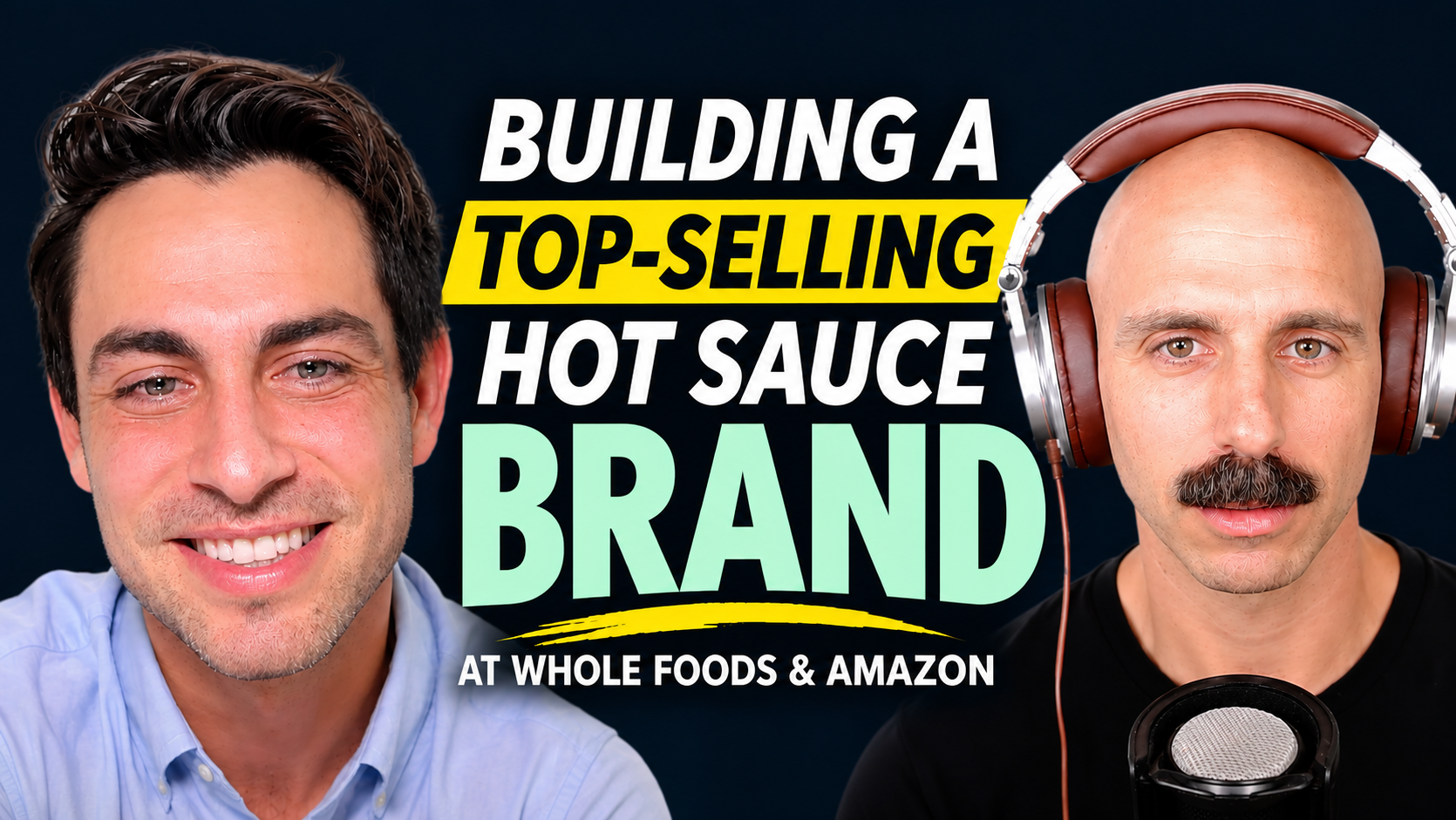
What does it take to turn a homemade hot sauce into a nationally recognized CPG brand? For some founders, the journey starts with a business plan, a big investment, and a strategy to get into major retailers. For George Milton, co-founder of Yellowbird Foods, it started with peppers growing in his backyard, a homemade recipe, and a backpack full of hot sauce.
Yellowbird began in Austin, Texas, in 2012. What started as a small operation between George Milton and his partner, Erin Link, eventually became a recognizable hot sauce brand sold through major retailers and online marketplaces. But the journey from the kitchen to grocery store shelves wasn't a straight line. It involved plenty of sampling, rejected opportunities, manufacturing challenges, distribution decisions, broker relationships, and difficult lessons about scaling a business without losing what made the product special.
In this GroceryPulse conversation, George Milton shares lessons from building Yellowbird, including the realities of getting into Whole Foods, growing through Amazon, working with brokers and distributors, and making big decisions as a founder. His story offers practical advice for anyone building an emerging consumer packaged goods (CPG) brand, especially founders hoping to grow in grocery retail.
What Emerging CPG Founders Can Learn From Yellowbird
1. From Backyard Peppers to a Hot Sauce Brand
Every successful CPG brand has an origin story. Yellowbird's started with a simple problem: George Milton and Erin Link wanted a hot sauce with great flavor and ingredients that better matched the way they wanted to eat. They started experimenting with peppers and recipes at home in Austin. Their backyard became part of the early product development process, with habanero peppers helping shape the sauce that would become Yellowbird's signature product.
The goal wasn't simply to make something hotter than the competition. It was to create a hot sauce that tasted great, had a distinctive flavor, and could become part of everyday meals. That distinction matters. Many new food brands focus heavily on what makes their product different. But being different is only useful when customers actually enjoy the product and want to buy it again.
The lesson: Solve a real consumer problem
Before investing heavily in packaging, advertising, or retail expansion, founders should ask: Yellowbird's early story shows how a simple product idea can become the foundation of a much larger business when customers respond to it.
2. The Power of Founder-Led Selling
One of the most memorable parts of Yellowbird's early journey was George Milton selling hot sauce himself. He wasn't starting with a large sales team or an established retail distribution network. He was personally introducing the product to people, sharing samples, and trying to convince local businesses to give it a chance.
He even carried bottles in a backpack while approaching restaurants and chefs around Austin. That kind of selling is not always glamorous, but it can be incredibly valuable for an emerging CPG brand.
Why sampling and personal selling still matter
Food is different from many other consumer products. People often want to taste it before deciding whether they like it. Sampling helps customers experience the product instead of simply reading about it. For a startup food or beverage brand, sampling can help. How startup CPG founders can use this strategy: You don't need a huge marketing budget to start building demand. Founder-led selling also gives you something that online analytics cannot always provide: direct conversations with the people buying your product.
3. From Local Recognition to Whole Foods Shelf Space
Getting a product into a major grocery retailer is a major milestone for any startup CPG brand. For Yellowbird, the path began with local farmers’ markets, restaurants, and independent grocery stores. These early relationships helped introduce the product to customers and build awareness in its home market. The brand also received an important boost from winning the Austin Chronicle Hot Sauce Festival in 2013.
That recognition helped bring attention to the product and supported its early retail momentum. By 2014, Yellowbird had an opportunity to enter Whole Foods Market. For a small brand, getting that kind of opportunity can feel like everything is finally coming together. But retail placement is only the beginning.
What grocery buyers want to see
Retail buyers are not simply looking for interesting products. They need products that make sense for their category and customers. A strong product may get a buyer's attention, but the business behind that product needs to be ready to support the opportunity.
4. The Manufacturing Lesson: Never Sacrifice Product Quality to Scale
One of the biggest lessons from Yellowbird's growth was the importance of protecting product quality. As demand increased, the company explored outside manufacturing support to help meet production needs. However, a manufacturing quality issue resulted in product that did not meet the founders' expectations. The experience became an expensive lesson in the risks of scaling too quickly without enough control over production.
For a food brand, consistency is everything. Customers expect the same flavor, texture, quality, and experience every time they purchase a product. If those things change, customer trust can suffer.
What CPG founders should learn from this
Before outsourcing manufacturing, founders need to understand exactly how their product will be produced and monitored. Build a manufacturing quality checklist. Do not outsource responsibility. A manufacturing partner may handle production, but the brand remains responsible for protecting its product standards and meeting applicable food safety and labeling requirements. A founder should never assume that a manufacturer will automatically protect everything that makes the product special. The takeaway: Scaling production should make your business stronger, not weaken the product that helped you earn customers in the first place.
5. CPG Brokers and Distributors: Knowing Who Can Help You Grow
As a brand moves from local retail into larger grocery accounts, the sales and distribution process becomes more complicated. Founders may need support from brokers, distributors, retail representatives, and other partners. But these relationships need to be understood before signing agreements or handing over important parts of the business. A broker can help a startup reach buyers it might not easily access on its own. However, hiring a broker does not guarantee retail placement or sales growth.
What about distributors like UNFI and KeHE?
For emerging natural, organic, and specialty food brands, distributors such as UNFI and KeHE are important names to understand. They operate within the grocery supply chain and can help eligible brands reach retailers through established distribution networks. But founders should remember that a distributor and a broker have different responsibilities. A brand may need several of these partners to support its growth.
Be careful with vague promises, unrealistic sales projections, and agreements that grant broad exclusivity without clear responsibilities. The best broker is not necessarily the one with the biggest presentation. It is the one that understands your category, has relevant retail relationships, and can explain exactly how it plans to support your brand.
6. Understanding the First $50K: Why Early Revenue Is Only Part of the Story
For startup CPG founders, reaching the first meaningful revenue milestone can feel like a major victory. But revenue alone does not tell you whether the business is healthy. A brand can generate sales and still struggle financially if production costs, shipping, retailer deductions, marketing expenses, and other operating costs are too high. This is why founders need to understand the numbers behind every sale. This helps founders identify whether growth is creating a healthier business or simply increasing operational pressure.
7. Whole Foods, Amazon, and the Power of Building Across Channels
Yellowbird's story is also a useful example of why CPG brands should think beyond a single sales channel. Retail and e-commerce offer different opportunities.
Grocery retail builds physical discovery
Retail stores give customers the opportunity to discover a product while shopping. They can see the packaging, compare options, and try something new. For food brands, this physical experience can be especially valuable.
Amazon supports online product discovery
Online marketplaces offer another way for customers to find and purchase products. For a hot sauce brand, Amazon can make it easier for shoppers to search for particular flavors, compare products, read reviews, and reorder. But an online marketplace requires its own strategy.
Retail and DTC should support each other
Your online store, marketplace presence, and retail distribution do not need to operate as separate strategies. They can work together. For example, a customer might discover your brand in a grocery store, search for it online later, and purchase a larger package directly from your website. A different customer may discover the product through social media before finding it at a nearby retailer. The goal is to create a consistent brand experience wherever customers find you.
8. Big Bets: Co-Branding, DTC, and Foodservice
Growing a CPG brand often means deciding which opportunities deserve your time and money. Not every partnership, channel, or marketing idea will be worth pursuing. The Yellowbird story brings attention to several growth opportunities founders should evaluate carefully: co-branding, direct-to-consumer sales, and foodservice.
Co-branding: Partner with brands that share your audience
Co-branding can help two companies reach new customers through a shared product, promotion, or campaign. For a hot sauce company, a partnership with a food brand, restaurant, or complementary product could introduce the brand to a new audience. A collaboration should create value beyond a temporary increase in attention.
DTC: Build a direct relationship with customers
Direct-to-consumer (DTC) gives brands more control over the online shopping experience and customer relationship. However, DTC also comes with costs, including advertising, shipping, fulfillment, payment processing, and customer service. Founders should understand their customer acquisition cost and contribution margin before scaling paid campaigns.
The key is to understand the operational requirements and economics of each opportunity. A channel that looks attractive on paper may not be profitable if the product format, pricing, or fulfillment model is not right.
9. Building a Brand Is More Than Making a Great Product
Yellowbird's growth also highlights the importance of branding. Erin Link played a major role in developing the company's visual identity, packaging, and creative direction. That matters because a product has to do more than taste good. It needs to communicate its value and stand out when customers encounter it.
Why brand identity matters in grocery retail
Think about how shoppers make decisions in a grocery store. They may be moving quickly, comparing several products, or shopping for something they have never purchased before. A recognizable visual identity also helps customers remember your brand after they leave the store.
Five ways to strengthen your CPG brand
Create a clear brand story. Explain why the product exists and what makes it worth trying.
Invest in packaging. Make sure the design is easy to recognize and understand.
Use consistent messaging. Your website, social media, packaging, and retail materials should communicate the same value.
Show the product in real life. Use recipes, demonstrations, customer experiences, and practical applications.
Build relationships with your audience. Encourage feedback and give customers reasons to engage with the brand.
Great branding does not replace product quality. It helps the right customers discover and understand it.
10. The Founder-to-CEO Transition: Knowing When the Business Needs a New Leader
One of the most interesting parts of George Milton's later journey is the decision to step away from the CEO role after 13 years. In October 2025, Yellowbird announced Michael Woolard as its new CEO. The move marked an important leadership transition for a company that had grown from a small founder-led operation into a much larger business.
For founders, this is an important reminder: building a successful company and leading its next stage of growth can require different skills. As the company grows, that approach becomes harder to maintain.
Why founders may need to bring in experienced leadership
A growing CPG business may need stronger systems, deeper operational experience, and leadership focused on the next stage of expansion. This does not mean the founder's role becomes less important. It means the business may be ready for a different kind of leadership. A leadership transition is easier when the business has strong systems, clear responsibilities, and a shared understanding of its future direction.
Final Thoughts: The Real Secret Behind Building a Successful CPG Brand
Yellowbird's journey shows that building a successful CPG brand is rarely about one big break. It is the result of many decisions made over time: creating a product people love, selling it directly, listening to customers, earning retail opportunities, protecting quality, choosing the right partners, and knowing when the business needs to change. The journey from backyard peppers to major grocery retailers and online marketplaces did not happen overnight.
For emerging founders, the biggest lesson may be this: Build a product worth buying again, understand the business behind it, and create the relationships and systems that allow it to grow. You do not need to start with a national distribution network or a massive marketing budget. You need a product customers want, a clear reason for them to choose it, and the discipline to build the business one step at a time.
Listen to the Full Episode
🎙️ GroceryPulse | Episode: Marc Jonna, Co-Founder & President, Plum Market
About GroceryPulse
George Goodwin, a fourth-generation grocer and founder of Kōbu Kombucha Powder, hosts GroceryPulse. Each episode features leaders shaping the food, retail, and CPG industries. Subscribe wherever you listen to podcasts.
🔗 Kōbu Kombucha Powder → enjoykobu.com 🔗 Goodwin's Organics → goodwinsorganics.com 🔗 Plum Market → plummarket.com 🔗 Innovar Marketing Agency → innovargroup.com
About Innovar Marketing Agency
Innovar is a full-service marketing agency specializing in grocery, CPG, and independent retail. We help brands and retailers tell better stories, reach more customers, and grow with purpose.
🎧 Listen to GroceryPulse YouTube | Spotify | Apple Podcasts
🤝 Connect with the Guests: George Milton — Instagram
LinkedIn: https://www.linkedin.com/in/george-milton-a8348956/
George Goodwin — LinkedIn: george@innovaragency.com | www.enjoykobu.com
🌐 Explore Innovar Podcast Guest → innovaragency.com/grocerypulse
Let’s push the industry forward