Sensory Marketing: Why the 'Fizz' and 'Feel' of Your Product Dictates Its Success
By George Goodwin
Think about the last time you bought a drink. Was it just because you were thirsty? Probably not. You likely bought it because of the satisfying crack of the can opening, the bright colors on the label, or that specific "zing" on your tongue. In the world of CPG (Consumer Packaged Goods), we call this Sensory Marketing.
As the founder of Innovar Marketing Agency, I’ve helped dozens of brands move from the shelf to the shopping cart. In 2026, simply having a "good" product isn't enough. To win the Attention Economy, your product needs to create a biological experience. If it doesn't feel right, it won't sell right.
What is Sensory Marketing?
Sensory marketing is the process of winning over a customer’s subconscious by appealing to their five senses. While most digital marketing focuses purely on sight (Instagram ads) and sound (TikTok trends), the most successful physical brands dominate touch, smell, and taste.
When a customer picks up a product, their brain is scanning for cues. Does the packaging feel premium? Does the ritual of using it feel rewarding? These tiny moments are what build long-term brand loyalty.
1. The Power of the "Ritual"
One of the strongest sensory triggers is the ritual of preparation. Think about the way people obsess over grinding coffee beans or the specific way they pour a glass of wine.
This is a huge advantage for powdered wellness products like Kōbu Kombucha.
The Touch: Tearing open a fresh sachet.
The Sight: Watching the powder dissolve into a vibrant, effervescent glow.
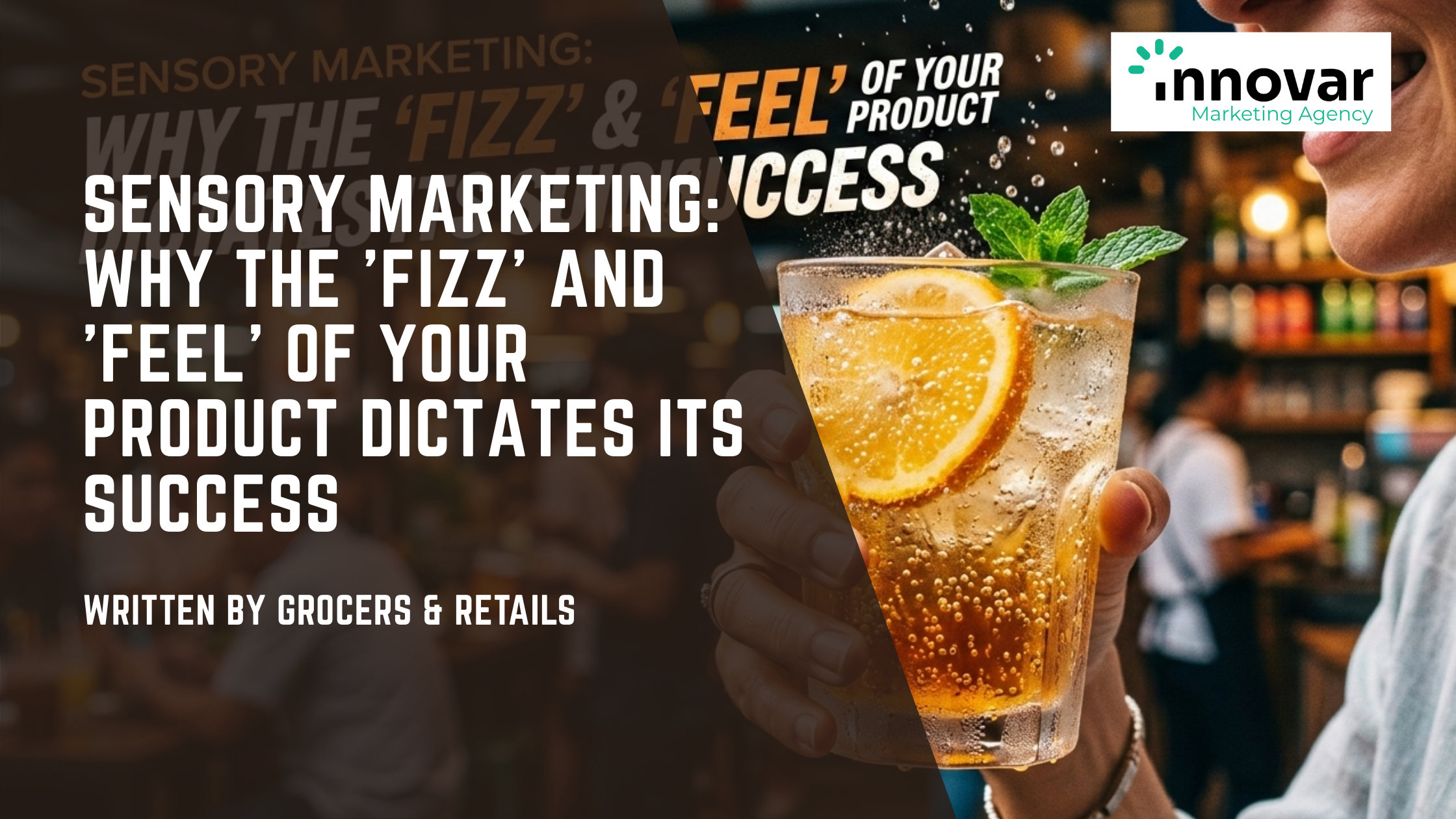
The Sound: That gentle "fizz" that signals gut-health goodness is on the way.
These steps tell your brain: "Something good is happening." It moves the product from a simple "drink" to a daily "reset ritual" that helps you enter a flow state.
2. Mouthfeel and the "Zing" Factor
In the beverage industry, "mouthfeel" is everything. It’s why some people hate flat soda but love sparkling water. The carbonation in kombucha provides a sensory "bite" that tells the brain the drink is "alive" and functional.
By maintaining that crisp, clean finish in a portable powder, Kōbu Kombucha satisfies the sensory craving for a fermented drink without the vinegary aftertaste that turns some people off. It’s the perfect "sensory pivot" for 2026.
3. Why 'Feel' Beats 'Price'
When a product feels "right" in a customer's hand, price sensitivity drops. A matte-finish pouch or a weightier box sends a signal of quality to the brain’s somatosensory cortex.
Key Fact: According to Harvard Business Review, "Sensory cues can be far more effective than traditional mass marketing because they hit the brain's emotional center before the rational mind can even process a price tag."
Actionable Steps: How to Audit Your Product’s Senses
If you’re a founder or a retail manager, ask yourself these three questions:
The Unboxing Test: Does the sound and feel of opening your product spark joy? Or does it feel like opening a bill?
The Gut Check: Does the consumption experience match the health claims? If you’re selling energy but the drink is flat and dull, the brain won't believe the marketing.
The Consistency Scan: Does your digital aesthetic (what they see on Innovar’s ads) match the physical "feel" of the product in their hand?
FAQs: Sensory Marketing & CPG
How does sensory marketing affect ROI?
Sensory marketing increases "brand intimacy." When a consumer has a physical, multi-sensory connection to a product, they are much more likely to become a repeat buyer, lowering your customer acquisition cost (CAC) over time.
Can a digital agency help with sensory marketing?
Absolutely. At Innovar Marketing Agency, we don't just run ads; we help you craft the visual and auditory cues that hint at the physical experience. We "sell the sizzle" so the customer goes looking for the "steak."
Why does EnjoyKobu use a powder format instead of a bottle?
Beyond the sustainability benefits, the powder allows for a personalized sensory ritual. You choose the water temperature, the concentration, and the vessel. That level of control makes the "gut health hub" experience more personal and rewarding.
The Bottom Line
Your marketing strategy for 2026 shouldn't just be seen—it should be felt. From the "fizz" in the glass to the "flow" in your brain, every touchpoint is an opportunity to win.
Ready to make your brand a sensory powerhouse?
Scale with Strategy: Let’s refine your brand’s voice, look, and impact. Visit Innovar Marketing Agency to book your 2026 strategy audit.
Experience the Fizz: Discover the ritual that fuels top founders. Order your sachet packs at Kōbu Kombucha.