How Startup CPG Brands Can Get Shelf Space in Grocery Stores: Brokers, Distributors, and Retail Strategies
By George Goodwin
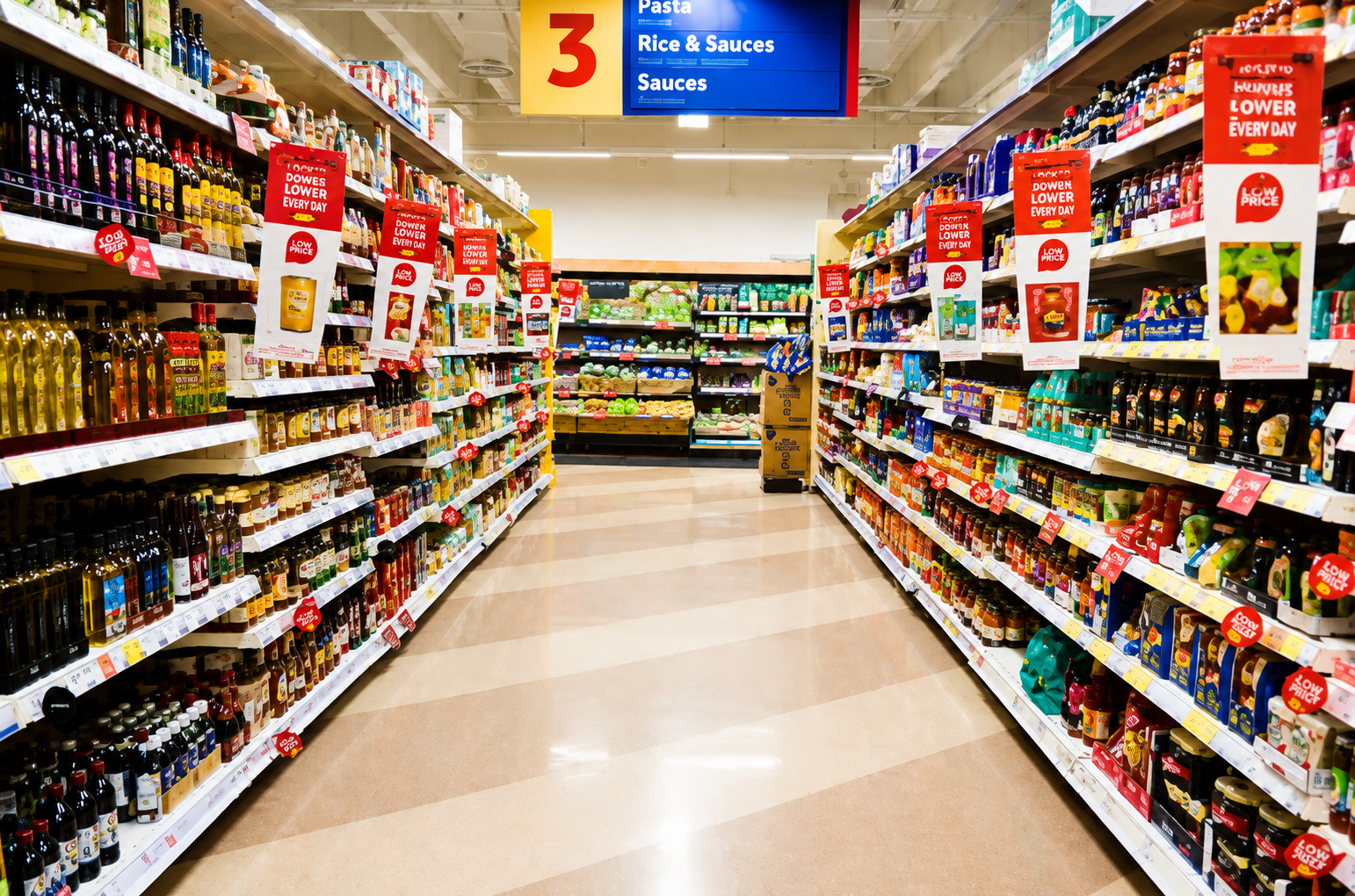
Getting your product into a grocery store is one of the biggest milestones for any startup Consumer Packaged Goods (CPG) brand. Whether you're launching a functional beverage, kombucha powder, healthy snack, organic food, or wellness product, earning valuable shelf space can dramatically increase your brand's visibility and sales. But landing in grocery stores isn't easy. Retail buyers receive hundreds of product pitches every month, and they only have limited shelf space available.
The good news? With the right preparation, marketing strategy, broker relationships, and distribution partners, startup brands can successfully break into retail. In this guide, we'll explain how startup CPG brands can get shelf space in grocery stores and build a long-term retail growth strategy.
Why Shelf Space Matters
Shelf space is more than just getting your product into a store. It means:
Increased brand awareness
Higher sales potential
Consumer trust
Opportunities to expand into additional retailers
For many startup brands, one successful grocery placement can lead to regional and even national growth.
"Retail buyers look for products that already demonstrate consumer demand, strong branding, and the ability to sell consistently—not just great ideas."
That's why preparing before your retail pitch is so important.
Step 1: Build a Retail-Ready Brand
Your Product Needs to Stand Out
Before approaching grocery buyers, make sure your brand is retail-ready.
Essential Elements
Professional packaging
Clear product positioning
Strong branding
Competitive pricing
UPC barcodes
Nutrition labels
Retail-ready packaging
Your packaging should quickly answer:
What is it?
Why should customers buy it?
What makes it different?
👉 Action Tip: Invest in packaging that communicates your value within a few seconds of a shopper seeing it.
Step 2: Create Consumer Demand Before Pitching Retailers
Grocery Buyers Want Proven Demand
Retail buyers prefer products that consumers already recognize. Build awareness through:
SEO
Social media
TikTok
Instagram
Email marketing
Influencer partnerships
PR campaigns
If shoppers are already searching for your product, retailers are much more likely to say yes.
Why This Matters
Consumer demand reduces the retailer's risk and increases your chances of earning shelf space.
👉 Action Tip: Focus on building an engaged online audience before contacting retail buyers.
Step 3: Work with a CPG Brokerage
Brokers Open Doors
A CPG brokerage connects brands with grocery buyers and helps manage the sales process. Brokers often assist with:
Buyer introductions
Sales presentations
Retail strategy
Merchandising
Promotional planning
Popular CPG Brokerages
Presence Marketing
Impact Group
Acosta Group
Advantage Solutions
Crossmark
Each brokerage offers different strengths, so choose one that aligns with your product category and target retailers.
👉 Action Tip: Ask potential brokers about their experience with health, wellness, and functional beverage brands.
Step 4: Find the Right Distribution Partner
Brokers Sell. Distributors Deliver.
While brokers help you secure retail placements, distributors handle product logistics. They manage:
Warehousing
Order fulfillment
Delivery
Retail replenishment
Common Grocery Distributors
UNFI (United Natural Foods)
KeHE Distributors
Regional food distributors
Specialty wellness distributors
Choosing the right distributor ensures your products reach stores reliably and on time.
👉 Action Tip: Start with regional distribution before expanding nationally.
Step 5: Start with Regional Grocery Chains
Think Small Before Going Big
Many successful CPG brands begin with:
Independent grocery stores
Regional supermarket chains
Natural food retailers
Grocery boutiques
Specialty markets
Building success locally creates sales data that can help you pitch larger retailers later.
Why Regional Success Matters
Retail buyers often ask for proof that a product performs well in similar stores. Strong regional sales can open doors to national expansion.
Step 6: Develop a Strong Retail Marketing Strategy
Shelf Space Alone Won't Drive Sales
Once your product is in stores, you need to generate demand. Successful brands invest in:
Local SEO
Social media campaigns
Retail promotions
In-store sampling
Influencer partnerships
Email marketing
Marketing helps drive shoppers into stores and encourages them to choose your product over competitors.
👉 Action Tip: Coordinate your marketing campaigns with your retail launch dates.
Step 7: Leverage Grocery Technology
Technology Can Improve Retail Success
Modern retailers increasingly rely on technology to improve operations. Examples include:
Electronic Shelf Labels (ESLs)
Loyalty programs
POS systems
Inventory management software
Retail analytics
Understanding how retailers use these tools can help you create better promotions and stronger retail partnerships.
Step 8: Measure Performance and Optimize
Growth Requires Continuous Improvement
Track important metrics such as:
Sales by retailer
Inventory turnover
Repeat purchases
Customer reviews
Marketing performance
Use this data to improve your product, marketing, and retail strategy.
👉 Action Tip: Share strong sales results with buyers when pursuing additional retail opportunities.
Functional Beverage Brands Have a Unique Opportunity
Health and wellness products continue to be one of the fastest-growing categories in grocery retail. Consumers are actively searching for:
Functional beverages
Kombucha
Kombucha powder
Clean-label products
Better-for-you snacks
Wellness-focused foods
Brands like Kobu Kombucha Powder are benefiting from this trend by offering convenient, wellness-focused products that align with today's consumer preferences. For startup brands in the functional beverage space, now is an excellent time to pursue grocery retail opportunities.
Common Mistakes Startup CPG Brands Should Avoid
Many promising brands struggle because they:
Pitch retailers before building demand
Ignore branding and packaging
Choose the wrong broker
Lack a marketing strategy
Don't understand retailer expectations
Expand too quickly
Taking the time to build a strong foundation increases your chances of long-term retail success.
Key Takeaways
Build a retail-ready brand before approaching buyers.
Generate consumer demand through SEO, social media, and content marketing.
Partner with experienced CPG brokers to access grocery buyers.
Choose distributors that fit your growth strategy.
Start with regional retailers before pursuing national chains.
Invest in retail marketing to support product launches.
Understand grocery technology and retailer expectations.
Measure performance and continuously improve your strategy.
The Road to Grocery Store Success
Getting shelf space isn't just about having a great product—it's about having a complete retail strategy. The most successful startup CPG brands combine:
Strong branding
Consumer demand
Smart marketing
Experienced brokers
Reliable distribution
Retail execution
Together, these elements create the momentum needed to grow from a local startup into a nationally recognized grocery brand.
Ready to Grow Your CPG Brand?
Breaking into grocery stores takes more than a great product—it takes the right marketing strategy.
Visit www.innovaragency.comto learn how Innovar Marketing Agency helps startup CPG brands, grocery retailers, and wellness companies grow through SEO, content marketing, social media, retail strategy, and digital marketing that drives real consumer demand.
If you're looking for an example of an innovative wellness product that's built for today's grocery shoppers, visit www.enjoykobu.com to discover Kobu Kombucha Powder and see how functional beverages are becoming one of the fastest-growing categories in retail.