Best Merchandising Strategies for Grocery Stores: How to Increase Basket Size and Boost Impulse Purchases
By George Goodwin
Every grocery shopper walks into a store with a shopping list—but many leave with much more than they planned to buy. That's the power of great merchandising. Effective grocery merchandising doesn't just make a store look attractive. It influences shopping behavior, increases average basket size, improves product visibility, and encourages impulse purchases, thereby boosting overall revenue.
Whether you own an independent grocery store, supermarket, convenience store, or grocery boutique, the right merchandising strategy can help you sell more without increasing your advertising budget. In this guide, we'll explore the best grocery merchandising strategies to help you increase sales, optimize shelf space, and create a better shopping experience.
What Is Grocery Store Merchandising?
Grocery store merchandising is the process of organizing, displaying, pricing, and promoting products to maximize sales and improve the customer experience. Good merchandising combines:
Product placement
Category management
Store layout
Promotional displays
Pricing strategy
Visual merchandising
Retail technology
The goal is simple: make products easier to find and more appealing to buy.
Why Merchandising Matters
Customers make many purchasing decisions while they're inside the store. A well-designed layout encourages shoppers to:
Discover new products
Spend more time browsing
Purchase complementary items
Add impulse purchases to their basket
"Industry research consistently shows that many in-store purchasing decisions are made during the shopping trip, highlighting the importance of product placement and merchandising."
For grocery retailers, every shelf is valuable real estate.
1. Design a Store Layout That Guides Customers
Make Shopping Easy
A logical store layout improves traffic flow and encourages customers to explore more aisles. Popular layout strategies include:
Wide, easy-to-navigate aisles
Clearly marked departments
High-demand items placed toward the back of the store
Seasonal displays near entrances
This increases exposure to additional products along the shopping journey.
👉 Action Tip: Review customer traffic patterns regularly and adjust displays based on shopping behavior.
2. Optimize Shelf Placement
Eye-Level Products Sell Better
Shelf placement plays a major role in purchasing decisions.
Best Practices
Place high-margin products at eye level.
Position premium products where they're easy to see.
Keep fast-moving products well stocked.
Group similar products together.
Use clear shelf signage.
Products that are easier to find are more likely to sell.
3. Cross-Merchandise Complementary Products
Help Customers Discover Related Items
Cross-merchandising places related products near each other to encourage additional purchases. Examples include:
Chips next to salsa
Pasta beside pasta sauce
Coffee near creamers
Charcuterie items grouped together
Fresh fruit displayed with yogurt
For wellness-focused shoppers, consider pairing Kobu Kombucha Powder with healthy snacks, vitamins, reusable water bottles, or wellness displays to inspire convenient lifestyle purchases.
👉 Action Tip: Ask yourself, "What else would a customer naturally buy with this product?"
4. Create Eye-Catching End Cap Displays
Highlight Promotions and Seasonal Items
End caps are among the most valuable merchandising spaces in a grocery store. Use them for:
New product launches
Seasonal promotions
Best sellers
High-margin products
Limited-time offers
Rotate displays regularly to keep the store looking fresh.
5. Increase Impulse Purchases at Checkout
Maximize Every Transaction
Checkout areas present one final opportunity to increase basket size. Popular checkout products include:
Healthy snacks
Functional beverages
Gum and mints
Bottled drinks
Travel-size products
Gift cards
Smaller, affordable items encourage spontaneous purchases while customers wait in line.
👉 Action Tip: Refresh checkout merchandise frequently to maintain customer interest.
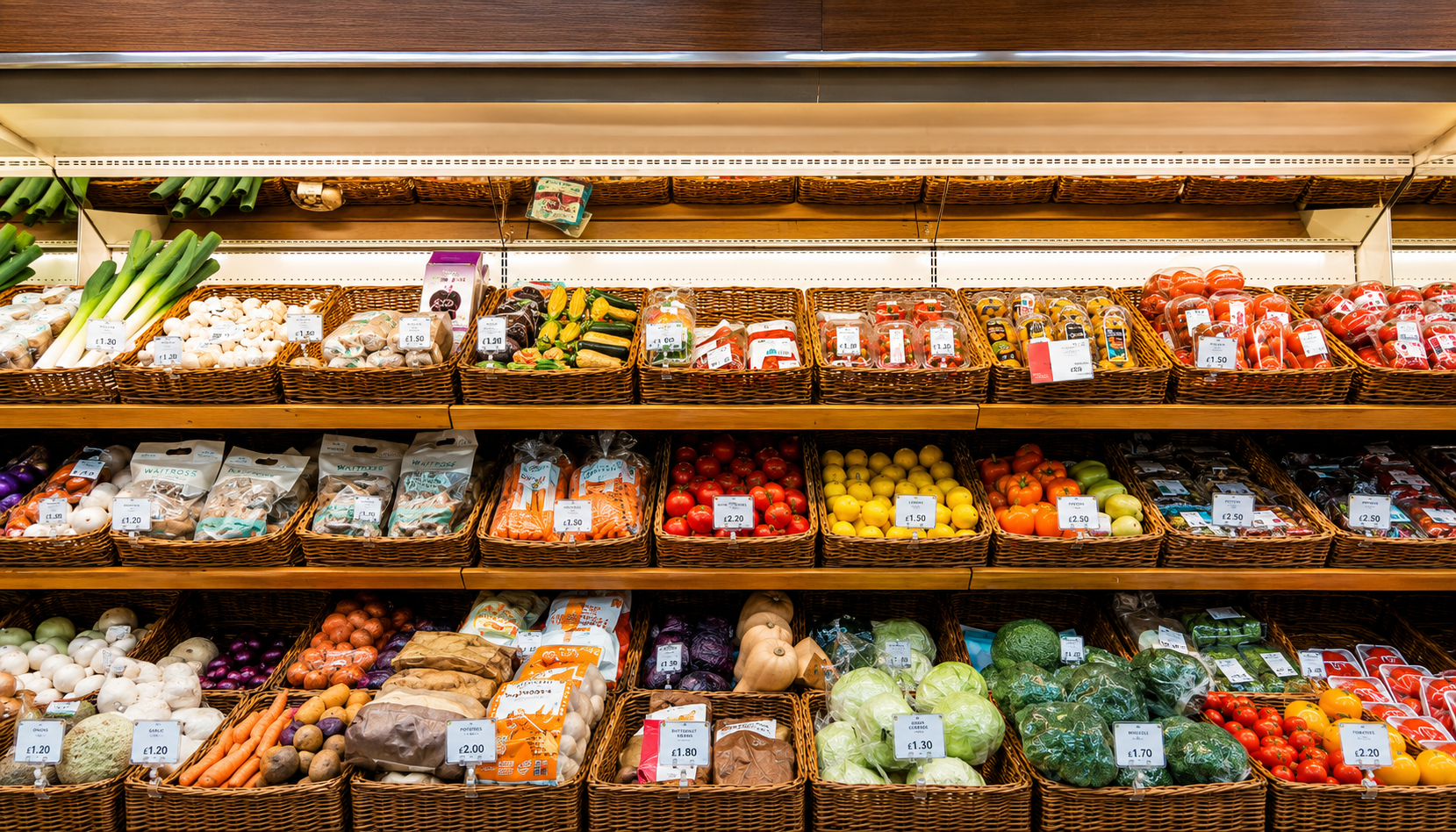
6. Use Electronic Shelf Labels (ESLs) for Smarter Merchandising
Modern Technology Creates Better Experiences
Electronic Shelf Labels (ESLs) do more than display prices. They also help retailers:
Update promotions instantly
Display QR codes
Highlight loyalty pricing
Improve pricing accuracy
Reduce labor costs
Integrated with your POS and inventory systems, ESLs support dynamic merchandising strategies across the store.
7. Use Data to Improve Merchandising Decisions
Let Analytics Guide Your Strategy
Retail analytics help you understand:
Best-selling products
Slow-moving inventory
Category performance
Customer buying habits
Promotion effectiveness
Instead of relying on guesswork, use data to continuously improve product placement and promotional displays.
👉 Action Tip: Review sales reports weekly and test different display locations for key products.
8. Keep Seasonal Merchandising Fresh
Give Customers a Reason to Return
Seasonal merchandising keeps your store exciting throughout the year. Examples include:
Back-to-school displays
Holiday entertaining sections
Summer barbecue essentials
Healthy New Year promotions
Local event-themed displays
Regularly changing displays encourages repeat visits and increases product discovery.
9. Highlight Local and High-Margin Products
Differentiate Your Store
Independent grocers can stand out by showcasing:
Local products
Regional favorites
Premium foods
Specialty beverages
Health and wellness products
Highlighting these products with attractive signage and premium displays can improve visibility and profitability.
10. Train Employees to Support Merchandising
Great Displays Need Great Execution
Employees play an important role in maintaining merchandising standards. Train your team to:
Restock shelves quickly
Keep displays clean
Rotate products using FIFO (First In, First Out)
Check pricing accuracy
Answer customer questions
Suggest complementary products
Consistent execution ensures your merchandising strategy delivers results every day.
Grocery Merchandising Trends to Watch
The future of grocery merchandising is becoming more data-driven and technology-enabled. Emerging trends include:
Smart Shelf Technology
Electronic Shelf Labels provide real-time pricing and promotional flexibility.
AI-Powered Product Recommendations
Retailers are using AI to personalize promotions based on customer preferences.
Retail Media Networks
Digital displays and loyalty platforms create new opportunities for targeted in-store advertising.
Omnichannel Merchandising
Customers expect consistent pricing and promotions across in-store and online shopping experiences.
Key Takeaways
Strong merchandising increases basket size and encourages impulse purchases.
Store layout and shelf placement directly influence customer behavior.
Cross-merchandising helps shoppers discover complementary products.
End caps and checkout displays are valuable sales opportunities.
Electronic Shelf Labels improve pricing accuracy and promotional flexibility.
Retail analytics help optimize merchandising decisions.
Seasonal displays keep stores engaging and encourage repeat visits.
Employee training is essential for maintaining effective merchandising standards.
Turn Better Merchandising Into Long-Term Growth
The most successful grocery stores understand that merchandising is more than arranging products on shelves—it's a strategy for improving customer experience, increasing sales, and building long-term loyalty.
By combining smart merchandising, retail technology, and data-driven decision-making, grocery retailers can maximize every square foot of their store while creating a shopping experience customers enjoy.
Ready to Grow Your Grocery Store?
Great merchandising gets products noticed—but great marketing brings more shoppers through your doors.
Visit www.innovaragency.com to learn how Innovar Marketing Agency helps grocery stores, supermarkets, convenience stores, and CPG brands grow through SEO, content marketing, local SEO, social media marketing, retail technology consulting, and digital marketing strategies designed specifically for the grocery industry.
Looking for an innovative wellness product that fits today's consumer trends and encourages impulse purchases?
Visit www.enjoykobu.com to discover Kobu Kombucha Powder, a convenient functional beverage that appeals to health-conscious shoppers and adds value to modern grocery merchandising strategies.