From Automation to Innovation: How Electronic Shelf Labels and Integrated Software Are Shaping the Future of Grocery Stores
By George Goodwin
The grocery industry is entering a new era. Today's customers expect accurate pricing, faster checkout, personalized promotions, and a seamless shopping experience. At the same time, grocery stores are under pressure to reduce labor costs, improve efficiency, and stay competitive in an increasingly digital marketplace.
To meet these demands, many retailers are investing in electronic shelf labels (ESLs) and integrated grocery software. Together, these technologies are helping grocery stores automate everyday tasks while creating smarter, more connected retail operations. In this guide, we'll explore how automation is driving innovation, why integrated retail technology matters, and how grocery stores can prepare for the future.
Why Grocery Stores Are Investing in Retail Technology
Running a grocery store has become more complex than ever. Retailers face challenges such as:
Rising labor costs
Frequent price changes
Inventory shortages
Increased customer expectations
Competition from online retailers and national chains
Technology helps solve these problems by connecting systems, reducing manual work, and improving decision-making.
"Retailers that adopt integrated technology solutions often improve operational efficiency, reduce pricing errors, and create better shopping experiences for customers."
Digital transformation is no longer optional—it's becoming a competitive necessity.
What Are Electronic Shelf Labels?
Replacing Paper with Smart Digital Pricing
Electronic Shelf Labels (ESLs) are digital displays that replace traditional paper price tags. Instead of printing and replacing labels by hand, retailers can update pricing instantly from a centralized platform.
Information ESLs Can Display
Modern ESLs can show:
Product prices
Promotional offers
Loyalty pricing
QR codes
Product descriptions
Inventory status
This allows grocery stores to maintain accurate pricing while reducing manual labor.
👉 Action Tip: Integrate ESLs with your POS system to automatically update prices across every shelf.
Why Integrated Grocery Software Is Essential
One Connected System for Better Operations
Integrated grocery software brings together the systems that power your business. Instead of operating separately, your technology works as one connected platform.
Common Software Integrations
Point of Sale (POS)
Inventory management
Customer loyalty programs
Electronic Shelf Labels
Online ordering
Supplier management
Retail analytics
When data flows seamlessly between these systems, retailers gain better visibility and make faster, more informed decisions.
How Automation Improves Grocery Store Operations
Save Time and Reduce Manual Work
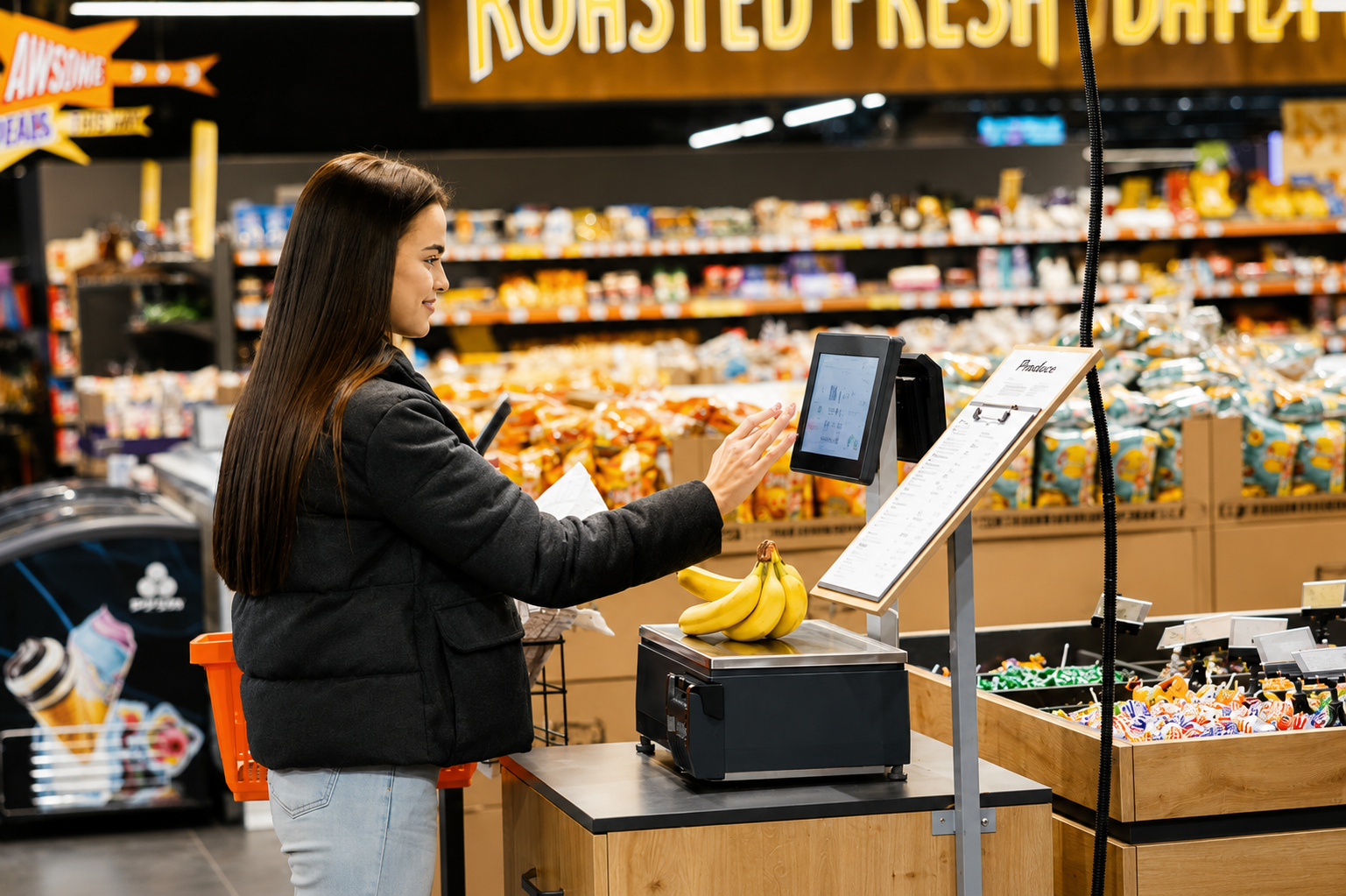
Automation allows employees to spend less time on repetitive tasks and more time serving customers.
Tasks That Can Be Automated
Price updates
Inventory tracking
Reordering products
Promotional pricing
Sales reporting
Loyalty rewards
This improves productivity while reducing the risk of human error.
👉 Action Tip: Identify repetitive tasks in your store and evaluate which ones can be automated with integrated software.
Smarter Inventory Management
Keep Products Available While Reducing Waste
Inventory management plays a major role in profitability. Integrated inventory software helps retailers:
Track stock in real time
Forecast demand
Reduce shrinkage
Automate purchase orders
Improve supplier coordination
AI-powered forecasting tools can also help predict seasonal demand, reducing both stockouts and overstocking.
Better Pricing Through Electronic Shelf Labels
Accurate Prices Build Customer Trust
Pricing accuracy is critical in grocery retail. With Electronic Shelf Labels, retailers can:
Update prices instantly
Launch promotions faster
Eliminate mismatched shelf prices
Support dynamic pricing strategies
Customers benefit from accurate pricing, while employees spend less time replacing paper labels.
Modern POS Systems Connect the Customer Journey
Faster Checkout and Better Data
Today's POS systems do much more than process payments. Integrated POS platforms can:
Update inventory automatically
Apply digital coupons
Track customer purchases
Award loyalty points
Generate sales reports
This creates a smoother shopping experience while giving retailers valuable business insights.
👉 Action Tip: Choose a POS system that integrates with your ESL, inventory, and loyalty software.
Loyalty Programs Drive Repeat Business
Personalization Builds Stronger Relationships
Customers are more likely to return when they receive relevant offers. Integrated loyalty platforms allow retailers to:
Reward repeat purchases
Send personalized promotions
Offer digital coupons
Analyze customer behavior
Rather than sending the same promotion to everyone, stores can tailor offers based on shopping habits.
AI and Analytics Are Shaping the Future
Data Helps Grocery Stores Make Smarter Decisions
Artificial intelligence and retail analytics are helping grocery stores become more proactive. AI can support:
Demand forecasting
Dynamic pricing
Product recommendations
Labor scheduling
Sales forecasting
Analytics dashboards provide visibility into:
Best-selling products
Inventory turnover
Customer buying trends
Promotion performance
Using data instead of guesswork leads to better business decisions.
Omnichannel Retail Is the New Standard
Customers Expect a Connected Experience
Today's shoppers move between:
In-store shopping
Mobile apps
Online ordering
Curbside pickup
Home delivery
Integrated software keeps inventory, pricing, and promotions synchronized across every channel, creating a consistent customer experience.
The Business Benefits of Smart Grocery Technology
Retailers that invest in electronic shelf labels and integrated software often experience:
Faster pricing updates
Lower labor costs
Improved inventory accuracy
Better customer satisfaction
Stronger operational efficiency
Increased sales opportunities
These improvements help independent grocers compete more effectively with larger retail chains.
Preparing for the Grocery Store of the Future
The future of grocery retail will include even greater automation and innovation. Emerging technologies include:
AI-powered shopping assistants
Smart shopping carts
Computer vision checkout
Predictive inventory management
Personalized digital promotions
Advanced retail analytics
Stores that build a strong technology foundation today will be better prepared to adopt these innovations tomorrow.
Key Takeaways
Electronic Shelf Labels reduce manual work and improve pricing accuracy.
Integrated grocery software connects POS, inventory, loyalty, and analytics into one system.
Automation helps grocery stores improve efficiency and reduce operating costs.
AI enables better forecasting, pricing, and customer insights.
Omnichannel technology creates a seamless shopping experience.
Smart grocery stores use connected systems to increase sales and improve customer satisfaction.
Investing in retail technology today prepares grocery stores for long-term success.
Ready to Transform Your Grocery Store?
Technology is transforming the grocery industry, but technology alone isn't enough. Success comes from combining smart retail systems with a marketing strategy that attracts customers, builds loyalty, and drives long-term growth.
Visit www.innovaragency.com to learn how Innovar Marketing Agency helps grocery stores, supermarkets, convenience stores, and CPG brands grow through SEO, content marketing, social media, retail technology consulting, and digital marketing strategies tailored for the grocery industry.
Looking for an innovative wellness product that aligns with today's consumer trends?
Visit www.enjoykobu.com to discover Kobu Kombucha Powder, a convenient functional beverage that continues to gain popularity with health-conscious shoppers and forward-thinking retailers.