The Gut-Brain Connection in Grocery: Wellness, Bio-hacking, and the Future of Food
Holistic Health, Lifestyle Transformation, and the Future of the Grocery Industry
The grocery industry runs on logistics, pricing, and supply chains—but at its core, it is shifting toward wellness, bio-hacking, and the gut-brain connection.
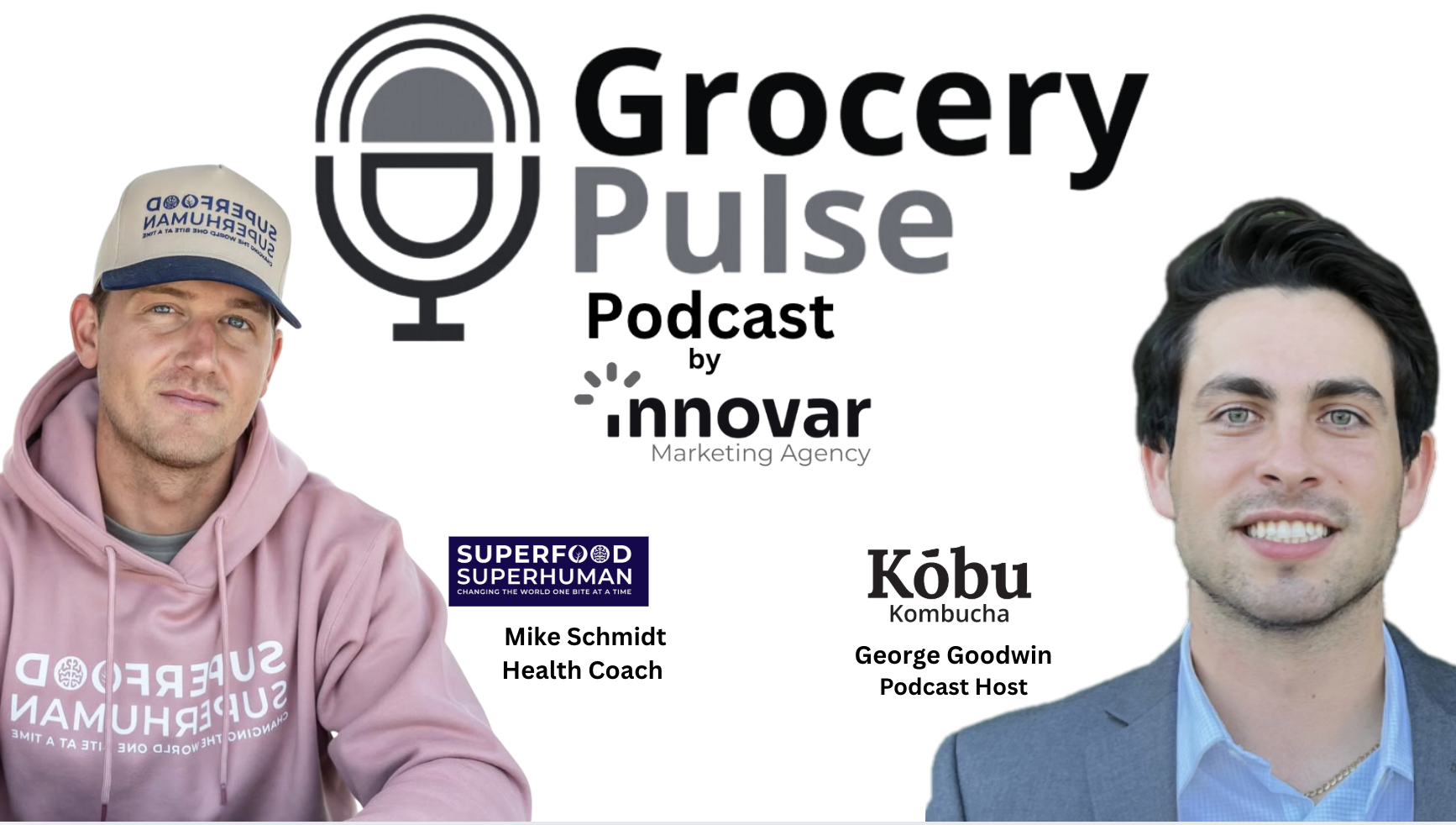
In a recent episode of GroceryPulse, I sat down with Mike Schmidt, a holistic nutrition and hormone health coach and the founder of Superfood Superhuman. Mike has transitioned from a 10-year battle with chronic health issues and burnout into a leadership role in the health space—giving him a unique perspective on how modern consumers are using "food as medicine."
From overcoming chronic acne and spiritual burnout to coaching over 85 clients through lifestyle transformations, Mike has seen the deep emotional and physical impact of what we put in our bodies.
After years of research and coaching, his biggest lesson is surprisingly simple: “Trust your gut.”
Why This Wellness Shift Matters
The grocery industry is going through one of the biggest health transitions in its history.
Consider a few major shifts happening right now:
The Rise of Functional Food: Consumers are no longer just looking for "organic"; they want "functional" products that improve mood, hormones, and digestion.
The Gut-Brain Connection: With 90% of serotonin produced in the gut, shoppers are treating the grocery store like a pharmacy.
The Decline of "Standard" Diets: Independent retailers are thriving by offering clean-label alternatives to the ultra-processed goods that dominated the last 40 years.
Information Accessibility: Social media has turned every shopper into a self-taught nutritionist looking for transparency.
Yet despite the noise, one truth remains constant. Grocery is a tool for human optimization.
As Mike puts it: “Nutrition is the gateway drug to spirituality and a deeper connection to yourself.”
From the Store Floor to the Science of Health
My own journey in this space started at Goodwin’s Organics in Riverside. In 2008, my family opened an all-organic grocery store during one of the toughest economic years in history.
We discovered quickly that health-focused grocery stores are more than just retail—they are education centers. We learned firsthand:
How mothers shop to protect their family's future health.
How students pivot from "Hot Pockets" to real food once they leave home.
How the "sick" shopper finds hope in the produce aisle when Western medicine falls short.
That early retail experience shaped my belief in the power of clean labels. Understanding the "how" behind the food—not just the "what"—is what makes a brand successful today.
Probiotics, Supply Chains, and the "Vinegar Bite"
Today, I am applying these lessons to Kōbu, a wellness brand focused on gut health.
Kombucha is a powerhouse for the gut, but it's a complex category to navigate. Production is influenced by:
Sourcing high-quality fermented tea from Asia.
Maintaining "hardy" probiotic strains that actually reach the gut.
Balancing prebiotic fibers like chicory root.
Removing the "vinegar bite" to make health accessible to everyone.
But the biggest lesson in building a wellness brand isn’t just the science—it’s the integrity of the ingredients.
“Ask where the natural flavors come from. Is the ginger actually from ginger? Consumers are smart; they want the truth.”
The Hidden Superpower in Grocery: Education
Throughout Mike’s career, the common thread has been empowering people to listen to their own bodies.
But wellness in grocery isn't built on buzzwords. It’s built through:
Radical Transparency: Clear labeling and "cleaner" alternatives.
Bio-Individual Nutrition: Acknowledging that every body (and DNA) is different.
Industry Collaboration: Bringing together founders, health coaches, and retailers to fight "greenwashing."
Mike’s mission with Superfood Superhuman is to help people move past the "Western treadmill" of chronic inflammation.
“Food is Medicine”
One of Mike’s favorite principles is a phrase that perfectly describes the future of the industry: “Food is medicine.”
Success in the modern grocery landscape requires a commitment to quality. That means:
Rejecting the "burn it off" athletic mentality for a "nutrient density" mindset.
Understanding how pesticides like glyphosate impact the gut microbiome.
Recognizing that skin health is an "inside job."
Leadership in the wellness space isn’t built by following trends. It’s built by prioritizing the human vessel.
Servant Leadership in Wellness
The idea that founders should serve the health of their community is a powerful theme. Mike’s leadership philosophy includes:
Vulnerability: Sharing his own health struggles to inspire others.
Boundary Setting: Teaching clients that health is as much about saying "no" to stress as it is about saying "yes" to greens.
Empowerment: Giving people the tools to shop the perimeter of the store with confidence.
Lessons for CPG Founders Trying to Break Into Wellness
For emerging brands and startups, the podcast highlighted several insights:
Know Your Story: Passion-led companies are the most successful because they are driven by a "why" (like my mom’s recovery or Mike’s burnout).
Less is More: Don't hide behind 50 ingredients. Clean, simple formulations win.
Proving the Science: If you claim a probiotic benefit, make sure the strain survives the shelf life.
Rapid-Fire Health & Leadership Lessons
Leadership Trait You Never Compromise On Integrity. "If you don't have your health or your reputation, you have nothing."
Best Career Advice Follow the synchronicity. When you feel good, the right connections flow.
Advice for Young Professionals Listen to your body before the burnout forces you to.
Final Thoughts: Grocery is a Wellness Business
The grocery industry is filled with complex tech, but it remains the primary source of the "raw materials" for human life.
And leaders like Mike Schmidt help ensure that the next generation of shoppers sees the grocery store not as a "casino" of confusion, but as a place of healing.

🎧 Listen to GroceryPulse YouTube | Spotify | Apple Podcasts
🤝 Connect with the Guests Mike Schmidt — LinkedIn | Instagram Founder of Superfood Superhuman, holistic health coach, and advocate for metabolic health. superfoodsuperhuman.com
George Goodwin — LinkedIn george@innovaragency.com | www.enjoykobu.com
🌐 Explore Innovar Podcast Guest → innovaragency.com/grocerypulse
podcast@innovaragency.com
george@innovaragency.com
Let’s push the industry forward!