From Technology to Functional Coffee: Eli Mash on Building the Next Generation of Wellness Brands
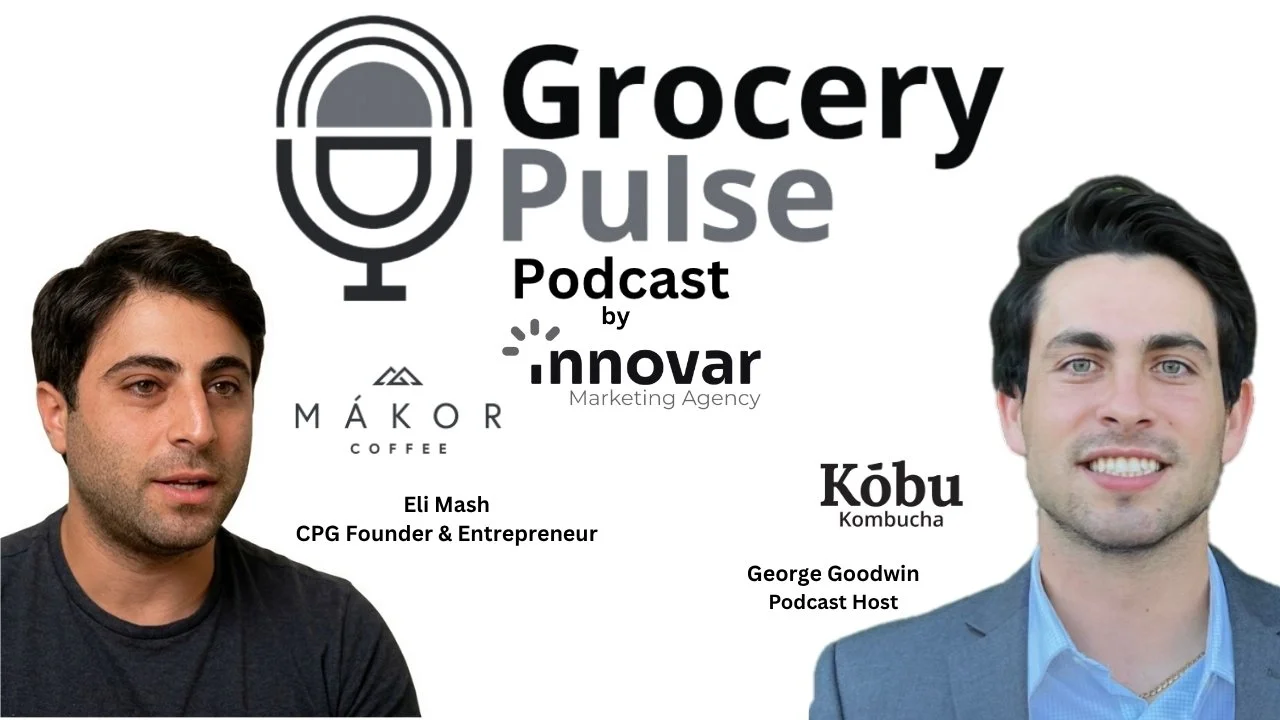
Published by Innovar Marketing Agency | GroceryPulse Podcast, hosted by George Goodwin
[Listen to the full episode here → PODCAST LINK ]
What happens when someone with a background in enterprise technology and business decides to build a food and beverage brand? You get a very different way of looking at CPG. That is part of what makes the conversation with Eli Mash, the entrepreneur behind Mákor Coffee, so interesting. Eli comes from enterprise technology and sales, with experience that eventually led him toward entrepreneurship and the world of consumer packaged goods.
Today, he is helping build Mákor around a simple idea: take something people already do every day—drink coffee—and make that ritual more functional, wellness-focused, and meaningful. That idea connects closely with what we're seeing across grocery and CPG. Consumers aren't necessarily looking for completely new rituals. They are looking for ways to make the rituals they already have work harder for them. Coffee. Water. Hydration. Snacks. Breakfast. Kombucha. The next generation of functional food and beverage brands may be built around exactly that opportunity.
Why Functional Foods and Beverages Are Growing
Walk through almost any modern grocery store, and you'll notice something has changed. Coffee is no longer just coffee. Water is no longer just water. Consumers can now choose beverages positioned around hydration, electrolytes, protein, digestive health, energy, relaxation, vitamins, minerals, adaptogens, and other functional benefits. This is one reason the functional beverage market has become such an important area for CPG innovation.
According to FMI's 2026 beverage research, function is increasingly becoming a primary purchase driver. Consumers are looking for beverages that fit specific needs and occasions rather than simply choosing products based on traditional categories. That shift creates a major opportunity for emerging CPG brands. Instead of asking: “What category should our product fit into?” Brands can start asking: “What problem or occasion are we helping the consumer solve?” That is a much more interesting question.
From Products to Daily Rituals
The GroceryPulse conversation with Eli Mash explores this idea from two different perspectives. Mákor is focused on the daily coffee ritual. Kōbu is focused on kombucha, hydration, and making functional wellness easier to consume. Both products start with something consumers already understand. The opportunity is to make it better. That's a powerful approach for CPG founders because consumers don't necessarily need to learn an entirely new behavior. They need a reason to switch what they already do.
Meet Eli Mash: From Technology to CPG
Eli Mash's journey is particularly interesting because his background isn't traditionally rooted in CPG. His experience includes enterprise technology, sales, business, and entrepreneurship. He also went through Kellogg before moving further into building consumer products. Moving from selling technology to building a physical consumer product is a major change. Technology businesses often revolve around software, systems, sales cycles, data, and scalability. CPG adds a completely different set of challenges. You have to think about:
Ingredients
Formulation
Manufacturing
Packaging
Inventory
Distribution
Retail
Shelf placement
Sampling
Consumer trial
Repeat purchases
Brand awareness
Customer acquisition
And the product has to work in the real world. A consumer has to see it, understand it, trust it, buy it, use it, and ideally buy it again.
Mákor Coffee: Making the Daily Coffee Ritual More Functional
Mákor Coffee is built around the idea of transforming an everyday coffee ritual into something connected to wellness and vitality. The Mákor Moments Blend discussed in the episode combines:
92% organic medium roast
5% organic cacao
3% functional blend
Organic turmeric
Ceylon cinnamon
Ginger
Chaga
Cayenne
The interesting part isn't simply the ingredient list. It's the positioning. Coffee already has an established place in people's routines. The question becomes: How can you improve something people already love without destroying what they love about it? That is a much harder—and potentially much more valuable—CPG challenge.
Taste vs. Health: The CPG Problem Nobody Can Ignore
There's a common mistake in wellness product development. Founders can become so focused on making a product healthier that they forget people actually have to enjoy consuming it. Consumers don't buy ingredients. They buy experiences. They buy habits. They buy convenience. And they buy products they want to use again. The GroceryPulse outline captures this tension directly: would you rather create a product that is optimized for health but doesn't taste great, or one that is slightly less optimized but people actually want to consume every day? That is a real formulation challenge. That is exactly the type of thinking that can make functional wellness more approachable.
What CPG Founders Can Learn From Eli Mash
Eli's journey from technology and business into functional coffee offers several lessons for entrepreneurs.
1. Start With an Existing Habit
Don't always try to create a completely new behavior. Look at what people already do. Then ask: How can we make it better?
2. Solve a Real Consumer Problem
A product needs a reason to exist beyond a trendy ingredient. Find the friction. Find the unmet need. Build around it.
3. Don't Sacrifice Taste
Health benefits won't matter much if consumers don't enjoy the product.
4. Make the Product Easy to Understand
If consumers need five minutes to understand what your product does, your marketing has a problem. Explain the benefit simply.
5. Build the Brand While Building the Product
Your brand story shouldn't be created after the product launches. Your story is part of the product.
6. Listen to Your First Customers
Your first customers can tell you things your market research can't. Pay attention.
7. Think Beyond DTC
If grocery retail is part of your long-term strategy, think about packaging, margins, velocity, sampling, and category fit early.
Final Thoughts
Eli Mash's move from technology and enterprise business into functional coffee is a great example of how the next generation of CPG founders may look very different from traditional food entrepreneurs. They may come from technology. Marketing. Finance. Retail. Software. Healthcare. Or completely different industries. What connects them is the ability to identify changing consumer behavior and build products around it. The biggest opportunity may not be creating another product that promises to change your life. It may be much simpler. Make the things people already do every day a little better.
Better coffee. Better hydration. Better snacks. Better wellness rituals. That's where functional food and beverage brands can build something meaningful—and that's where grocery retailers and marketers have an opportunity to help those brands grow.
Frequently Asked Questions
What is a functional food or beverage?
A functional food or beverage is generally designed to provide a specific benefit beyond basic nutrition or refreshment. Examples can include products positioned around hydration, protein, digestive health, energy, or other wellness needs.
What is Mákor Coffee?
Mákor Coffee is a functional organic coffee brand built around the idea of transforming the daily coffee ritual into something connected to wellness and vitality.
Who is Eli Mash?
Eli Mash is an entrepreneur and CPG founder associated with Mákor Coffee. His background includes enterprise technology, sales, business, and entrepreneurship before moving into functional coffee and consumer products.

Listen to the Full Episode
🎙️ GroceryPulse | Episode: Eli Mash, Mákor Coffee, Enterprise Technology Executive, CPG Founder & Entrepreneur
About GroceryPulse
GroceryPulse is hosted by George Goodwin, fourth-generation grocer and founder of Kōbu Kombucha Powder. Each episode features leaders shaping the food, retail, and CPG industries. Subscribe wherever you listen to podcasts.
🔗 Kōbu Kombucha Powder → enjoykobu.com 🔗 Goodwin's Organics → goodwinsorganics.com 🔗 Plum Market → plummarket.com 🔗 Innovar Marketing Agency → innovargroup.com
About Innovar Marketing Agency
Innovar is a full-service marketing agency specializing in grocery, CPG, and independent retail. We help brands and retailers tell better stories, reach more customers, and grow with purpose. Tags: independent grocery, Plum Market, Marc Jonna, GroceryPulse, George Goodwin, CPG brands, family business, specialty grocery, purpose-driven retail, kombucha, gut health, functional beverages, retail strategy
🎧 Listen to GroceryPulse YouTube | Spotify | Apple Podcasts
🤝 Connect with the Guests: Eli Mash — Instagram
George Goodwin — LinkedIn: george@innovaragency.com | www.enjoykobu.com
🌐 Explore Innovar Podcast Guest → innovaragency.com/grocerypulse
podcast@innovaragency.com
Don't just create another product. Find an everyday ritual, understand what people want from it, and make that experience better. Let’s push the industry forward!