Electronic Shelf Labels for Grocery Stores: How to Compare ESL Vendors, Features, and Total Costs
By George Goodwin
Electronic Shelf Labels (ESLs) are becoming an important part of modern grocery store technology. For grocery retailers, the appeal is easy to understand. Instead of printing and manually replacing thousands of paper price tags, stores can update prices digitally and connect shelf pricing with POS, inventory, promotions, and other retail systems. But choosing an ESL system is not as simple as comparing the price of one digital label against another.
The cheapest ESL vendor is not necessarily the lowest-cost solution. A grocery retailer needs to look at the complete system: hardware, software, installation, wireless infrastructure, integrations, maintenance, support, scalability, and the potential operational savings. The real question is: Which ESL solution delivers the best long-term value for your grocery store?
What Are Electronic Shelf Labels?
Electronic Shelf Labels are small digital displays installed on retail shelves to show prices and, depending on the system, additional product information. Instead of an employee printing a new paper tag every time a price changes, the retailer can update the information through centralized software. A typical ESL solution includes:
Digital shelf labels
Wireless communication infrastructure
Gateways or access points
Central management software
Cloud or local management tools
POS integration
Pricing integration
Inventory integration
Installation and support
The important point is that the label itself is only one part of the technology. The software and integrations determine much of the system's long-term usefulness.
Why Grocery Stores Are Considering ESL Technology
Grocery stores deal with thousands of products and frequent price changes. Prices can change because of:
Supplier costs
Promotions
Seasonal campaigns
Competitor pricing
Loyalty offers
Product markdowns
Expiration dates
Inventory levels
With traditional paper labels, these changes require employees to physically replace shelf tags. FMI reports that the average grocery store changes more than 7,000 price tags manually each week. That creates an opportunity for automation.
ESL Technology Can Help With
Faster Price Changes
Prices can be updated centrally without employees replacing individual paper tags.
Better Pricing Accuracy
Connected ESL systems can help synchronize shelf prices with checkout pricing.
Faster Promotions
Retailers can schedule and launch promotional pricing more efficiently.
Reduced Manual Work
Employees spend less time printing, organizing, replacing, and checking paper tags.
Better Markdown Management
Digital pricing can make it easier to mark down products that are approaching their sell-by or quality dates. FMI notes that time-triggered markdowns on perishable products can reduce food waste by up to 21%.
ESL Vendor Comparison: What Should Grocery Retailers Look At?
There are many electronic shelf label companies in the market. Some focus heavily on large enterprise retailers. Others may be better suited to independent grocers, specialty retailers, convenience stores, or regional chains. Instead of asking: "Which ESL company is the best?" Ask: "Which ESL system is the best fit for our store?" That means evaluating vendors against the same criteria.
1. Start With POS Integration
Your ESL system should work with your existing grocery POS system. This is one of the most important questions to ask a vendor.
Ask:
Does your system integrate with our POS?
Is the integration standard or custom?
How frequently does pricing data synchronize?
Can promotions automatically update shelf labels?
What happens if the connection goes down?
How are errors handled?
Do you have existing integrations with our POS provider?
The goal is simple: POS price → ESL price. The fewer manual steps involved, the better.
Why POS Integration Matters
Imagine your store changes 500 prices for a weekend promotion. Without integration, employees may need to manually update pricing information. With a connected system, the pricing change can flow through the technology infrastructure. That saves time and reduces the possibility of human error.
2. Evaluate Inventory Integration
ESLs can become more valuable when they connect with grocery inventory management software. Depending on the platform, connected shelf labels can support operational workflows such as:
Stock visibility
Product location information
Replenishment
Online order picking
Out-of-stock alerts
Merchandising activities
FMI notes that digital shelf labels can support inventory visibility and even pick-to-light functionality for online grocery fulfillment.
Action Tip
Don't ask only: "Does the ESL system integrate with inventory?" Ask: "What can the integration actually do?" Two vendors may both advertise "inventory integration" while offering very different capabilities.
3. Look at the ESL Display Quality
Not every digital shelf label is identical. Evaluate:
Display size
Resolution
Contrast
Viewing angle
Readability
Battery life
Durability
Temperature tolerance
Mounting options
Grocery stores have different environments. A refrigerated section may have different requirements from a dry grocery aisle.
Choose the Right Size
You may need different ESL sizes for:
Small shelf products
Large packages
Produce
Refrigerated products
Endcaps
Promotional displays
High-traffic areas
Don't automatically install the largest display everywhere. Match the display to the job.
4. Compare Battery Life
Battery replacement can become an overlooked operating cost. Ask each vendor:
How long do the batteries typically last?
What conditions affect battery life?
Are batteries rechargeable?
How easy are they to replace?
Does the system notify staff when batteries are low?
Who pays for replacement batteries?
A vendor may offer a lower initial price but require more maintenance over time. That's why battery performance belongs in your total cost calculation.
5. Examine Pricing and Promotion Features
A good ESL system should do more than display a number. Depending on the technology, digital labels can support:
Standard pricing
Sale pricing
Loyalty pricing
Promotional messaging
Product information
QR codes
Unit pricing
Markdown pricing
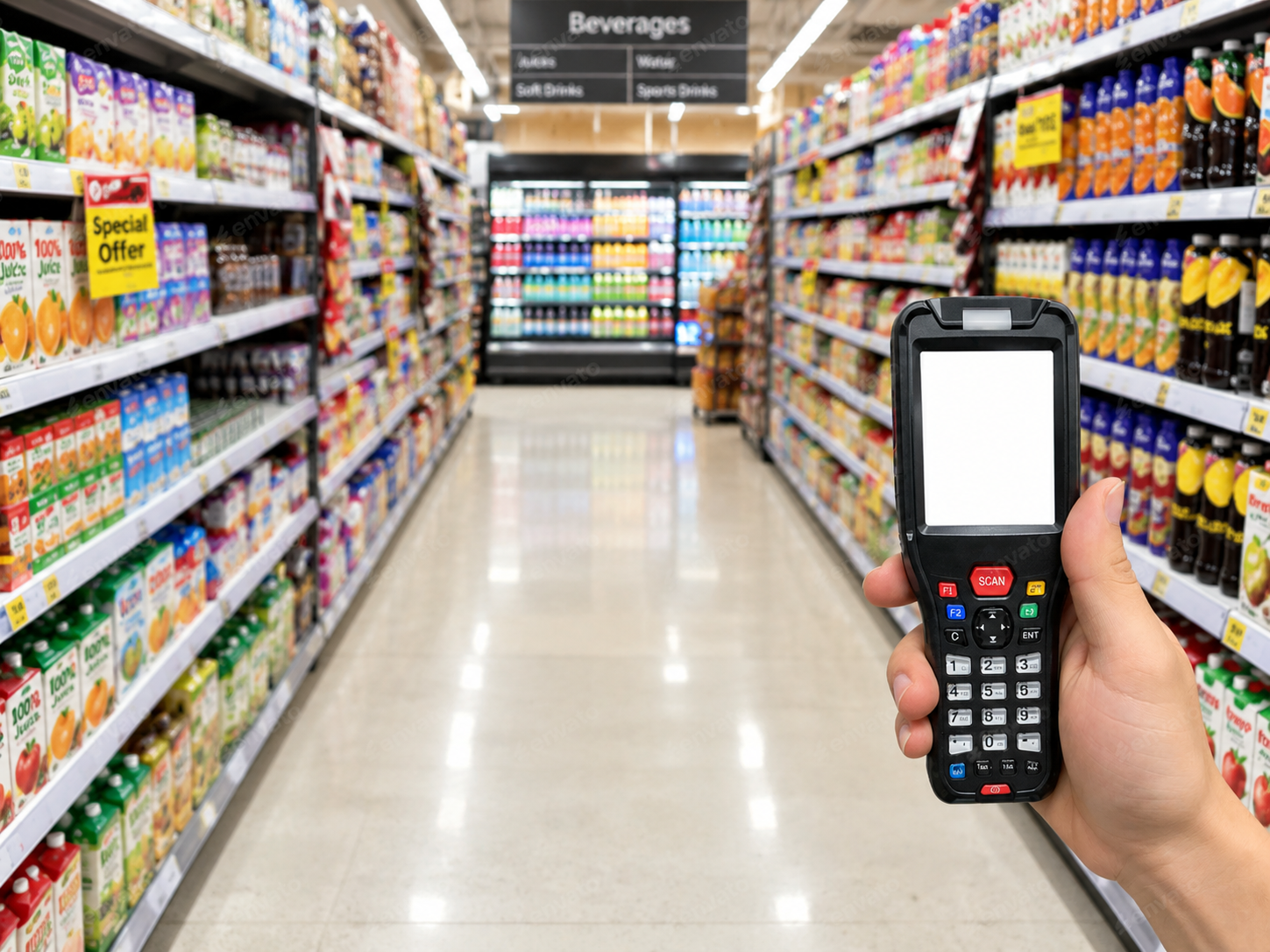
Modern digital shelf labels can also provide shoppers with additional product information such as allergen warnings, nutrition information, certifications, and promotional messaging.
Ask About Scheduled Promotions
One useful feature is the ability to schedule pricing changes. For example: Friday 6 AM → Promotion begins; Sunday 11:59 PM → Promotion ends. That can reduce the number of manual tasks required by store employees.
6. Evaluate Multi-Store Management
If you operate multiple grocery locations, centralized management becomes extremely important. You should be able to determine:
Can prices be updated across all stores?
Can each store have different pricing?
Can headquarters control pricing?
Can local managers make approved changes?
Can promotions be scheduled by location?
Can the system show which labels are offline?
Can pricing changes be audited?
Why This Matters
Imagine operating 10 stores. A pricing update that takes one hour per store could require 10 labor hours. A centralized system can potentially make the same update much easier to manage. This is one reason ESL technology can become increasingly valuable as a grocery business grows.
7. Look at Software Usability
An ESL system is only useful if your employees can operate it. Ask for a demonstration. Watch how the vendor handles:
Changing one price
Changing 100 prices
Launching a promotion
Reversing a price change
Finding an offline label
Adding a new product
Managing multiple stores
If these basic tasks are complicated, your team may struggle with adoption.
Ask for a Real Demonstration
Don't accept only a PowerPoint presentation. Ask the vendor to show you the actual software. A good demo should use realistic grocery scenarios.
8. Check Wireless Infrastructure Requirements
ESLs need reliable communication between the labels and management platform. Depending on the vendor, your store may need:
Gateways
Access points
Network equipment
Wireless coverage
Cabling
IT configuration
These costs should be included in your project budget.
9. Understand the Full ESL Cost
This is where many grocery retailers make a mistake. They ask: "How much does one label cost?" That's only part of the answer.
Your Total ESL Cost May Include
Hardware
ESL labels
Gateways
Mounting hardware
Network equipment
Software
Platform subscription
Cloud management
User licenses
Feature packages
Integration
POS integration
Inventory integration
Pricing integration
E-commerce integration
Implementation
Installation
Configuration
Store mapping
Product setup
Employee training
Ongoing Costs
Support
Maintenance
Battery replacement
Hardware replacement
Software upgrades
Your goal should be to calculate total cost of ownership, not just the initial purchase price.
Understanding ESL Total Cost of Ownership
A simple framework is: Total Cost of Ownership = Hardware + Software + Installation + Integration + Maintenance + Support. Then compare that against expected benefits.
Potential Benefits Include
Labor savings
Reduced pricing errors
Faster promotions
Reduced paper use
Better markdown execution
Reduced food waste
Improved inventory workflows
Better pricing control
Multi-store efficiency
This gives you a more realistic picture of ESL ROI.
10. Don't Ignore Installation Costs
Installation can become a significant part of an ESL project. Ask whether installation is:
Included
Charged per label
Charged per store
Charged by project
Performed by the vendor
Performed by a third party
Also ask how long installation will take.
Electronic Shelf Labels and the Future of Grocery Retail
ESL technology is increasingly becoming part of a broader connected retail environment. The opportunity isn't simply to replace paper. It is to connect the physical shelf with the retailer's digital operating system. FMI describes digital shelf labels as technology that can improve pricing accuracy, reduce waste, support product information, and connect shelf-level operations with broader store processes. Future ESL applications may increasingly connect with:
AI
Predictive analytics
Inventory management
Retail media
Digital promotions
E-commerce
Smart shopping tools
Automated markdowns
That means retailers should think about ESL technology as part of their long-term grocery technology strategy.
Final Thoughts
Choosing an electronic shelf label vendor is about much more than finding the cheapest digital price tag. The right ESL system should fit your grocery store's:
POS
Inventory
Pricing
Promotions
Workforce
Store network
Budget
Growth plans
Start by understanding your current pricing process. Calculate how much time and money you spend managing paper tags. Then compare vendors based on total cost of ownership, integration, functionality, support, scalability, and measurable ROI. And whenever possible, test the technology before committing to a full rollout. The best electronic shelf label system isn't necessarily the one with the most features. It's the one that solves your biggest operational problems and creates measurable value for your grocery business.
Ready to Build a Smarter Grocery Technology Strategy?
Electronic shelf labels are only one part of a modern grocery technology strategy. POS, inventory, pricing, loyalty, e-commerce, analytics, and marketing all work better when they are connected.
Innovar Marketing Agency helps grocery stores, retailers, and CPG brands develop strategies around grocery technology, retail marketing, SEO, digital advertising, and customer growth. Learn more at www.innovaragency.com
And for a modern functional beverage brand built around convenience, wellness, and everyday use, explore Kōbu Kombucha at www.enjoykobu.com