Michelle Breyer’s CPG Journey: Four Decades of Grocery, Entrepreneurship, Emerging Brands & Lessons on What Makes Brands Win
Published by Innovar Marketing Agency | GroceryPulse Podcast, hosted by George Goodwin
🎙️ Listen to the full episode here → PODCAST LINK
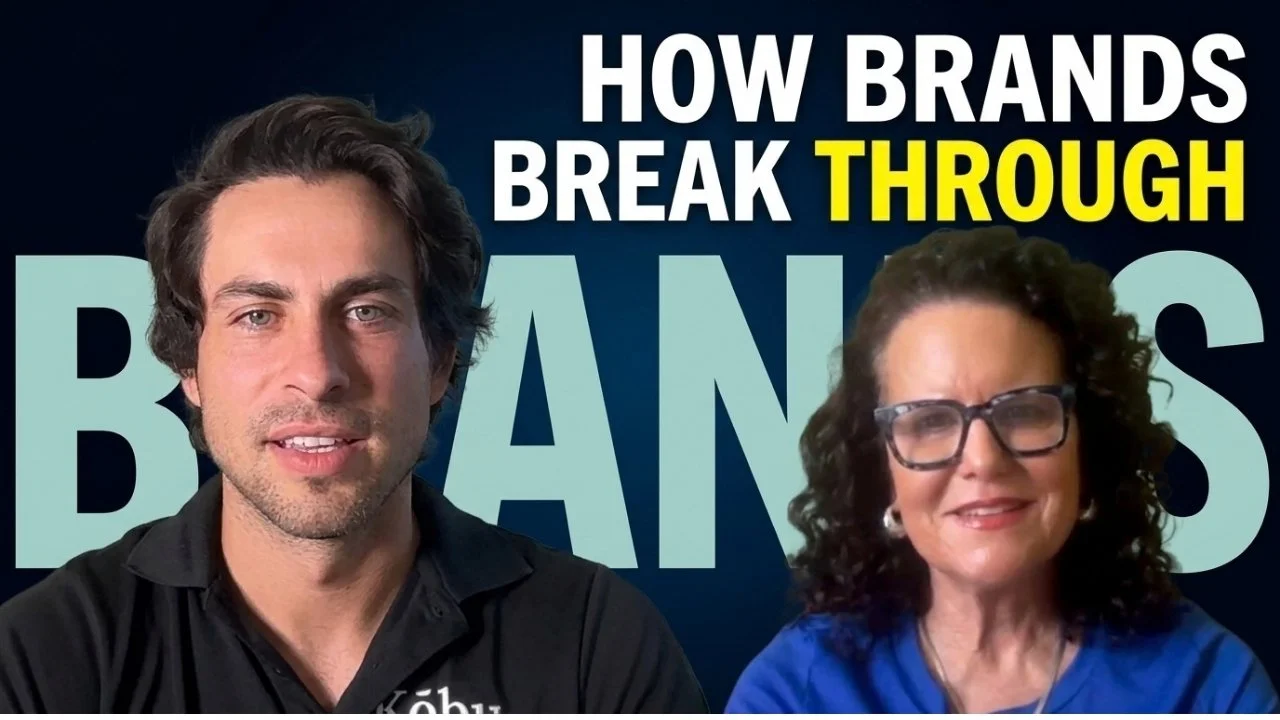
Michelle Breyer has seen the grocery and CPG industry from almost every angle. She has been a journalist covering grocery and retail. She watched Whole Foods grow from a small regional company. She covered the opening of the first H-E-B Central Market. She became a founder herself. She built a consumer brand. And later, through SKU, she helped emerging CPG founders navigate the same challenges she had experienced firsthand. That makes her perspective different.
Michelle isn't simply talking about the CPG industry from the outside. She has lived through its changes, taken risks herself, and spent years helping other founders build better businesses. The GroceryPulse outline describes her as a CPG leader, founder, journalist, advisor, and community builder, with more than 300 mentors recruited during her work at SKU. On this episode of GroceryPulse, we talk about that journey—and, more importantly, what emerging CPG brands can learn from it because building a great product is only one part of building a great company.
Michelle Breyer: A Different Kind of CPG Perspective
Most CPG founders start with a product. Michelle started with a story. Her first perspective on the industry came through journalism, where she covered grocery and retail while watching the food industry evolve around her. At the time, Austin wasn't yet the major CPG and food ecosystem it is today. Michelle was there while some of the industry's important pieces were taking shape. She covered John Mackey and Whole Foods, watching the company grow from just a handful of stores into one of the most influential natural grocery retailers in the country.
She also covered the opening of the first H-E-B Central Market, another important moment in the evolution of specialty grocery and food retail. This gave her something valuable: Perspective. She wasn't just watching individual brands. She was watching an entire industry change.
What Michelle Saw Before Many Others
The rise of Whole Foods and specialty grocery helped change what consumers expected from food retailers. Consumers became more interested in:
Natural products
Better-for-you food
Specialty products
Emerging brands
Ingredient quality
Food discovery
Retail experiences
And that created opportunities for challenger brands. The lesson for today's CPG founders is important: Consumer behavior often changes before the industry fully recognizes it. The brands that pay attention early can find opportunities before a category becomes crowded.
From Covering Founders to Becoming One
There is a big difference between interviewing a founder and becoming one. As a journalist, Michelle had spent years asking entrepreneurs questions. Then she became the person who had to answer them herself. She started her own curly-hair and beauty brand and helped create a new category around the product.
What Entrepreneurship Taught Michelle That Journalism Couldn't
The outline for the episode captures one of the most interesting parts of Michelle's story: You don't truly understand entrepreneurship until you're the one writing the checks. Being a journalist teaches you how to observe. Being a founder teaches you how to decide. And decisions have consequences. A founder has to make decisions with incomplete information. Sometimes you have the data. Sometimes you have a gut feeling. Sometimes you have advice from five different people, and none of them agree. You still have to choose.
The Emotional Side of Building a CPG Brand
This is an important part of entrepreneurship that doesn't always get enough attention. Building a consumer brand can be exciting. But it can also be exhausting. Founders deal with:
Uncertainty
Financial pressure
Product problems
Customer feedback
Hiring challenges
Retail pressure
Inventory risk
Cash flow
Constant decision-making
The product may be your passion. But the business still has to work. That's one of the biggest transitions from being passionate about a product to becoming a real CPG operator.
The CPG Founder Roller Coaster
After becoming a founder herself, Michelle later spent years working with emerging CPG companies through SKU. That gave her another unique perspective. She could see patterns. Some brands took off. Some pivoted. Some raised money. Some ran out of money. Others simply disappeared. So what separates the brands that make it from the brands that don't? The episode outline highlights several factors:
Product-market fit
Founder resilience
Cash management
Wholesale strategy
DTC strategy
Retail velocity
Distribution
Team building
Unit economics
Timing
Willingness to pivot
Focus
These are not just startup buzzwords. They are the fundamentals of building a sustainable CPG business.
Mentorship: Don't Figure Everything Out Alone
One of the most important themes in Michelle's CPG journey is mentorship. During her time at SKU, Michelle helped recruit more than 300 mentors from across the CPG industry, including experienced executives, investors, and entrepreneurs. That experience led to an important lesson: You don't have to learn every lesson the expensive way.
Someone has already made the mistake. Someone has already solved the problem. Someone has already negotiated the retail agreement. Someone has already dealt with the manufacturer. Someone has already raised money. Someone has already launched the product. You can learn from them.
The Right Mentor Can Compress Time
Imagine you're struggling with a retail problem. You could spend six months researching it. Or you could talk to someone who has already solved the same problem. That doesn't mean you blindly follow their advice. It means you start with experience instead of starting from zero.
The Founder Matters More Than You Think
Two companies can have similar products. One succeeds. The other doesn't. Why? Sometimes the difference is the founder. A strong founder doesn't need to know everything. But they need to be able to learn. They need to sell. They need to build relationships. They need to listen. They need to handle rejection. And they need to make difficult decisions.
Founder resilience matters.
CPG is full of setbacks. A retailer says no. A manufacturer misses a deadline. A campaign doesn't work. A product doesn't sell as expected. Cash gets tight. The founder has to keep moving.
Austin's CPG Community Is Becoming a Bigger Story
Michelle's story is also closely connected to Austin. The city has a unique history in food and natural products, including the influence of Whole Foods and H-E-B/Central Market. Today, the ecosystem includes communities and organizations such as:
TexasCPG
Founder Run Club
Wake Up CPG
Natural Austin
The interesting part isn't simply that there are more founders in Austin. It's that founders are connecting.
7 Lessons From Michelle Breyer for CPG Founders
If you're building an emerging CPG brand today, Michelle's journey offers a practical checklist.
1. Know Your Numbers
Understand your margins, acquisition costs, inventory, cash flow, and repeat purchase rate.
2. Talk to Customers
Don't guess what people want. Ask them. Then listen carefully.
3. Build Relationships Early
Don't wait until you need a retailer, investor, mentor, or distributor. Build relationships before the urgency arrives.
4. Find People Who Have Done It Before
A mentor can help you avoid expensive mistakes.
5. Protect Your Cash
Growth is exciting. Running out of money isn't.
6. Don't Try to Do Everything
Focus is a competitive advantage. Trying to launch everywhere, sell every channel, and create 20 products at once can destroy your ability to execute.
7. Be Willing to Change
The market doesn't care what your original plan was. If customers, retailers, or data tell you something different, pay attention.
What Grocery Retailers Can Learn From Emerging CPG Brands
The lessons aren't only for founders. Grocery retailers can also benefit from understanding the emerging CPG ecosystem. New brands often bring:
New consumer audiences
New product formats
New ingredients
New shopping occasions
New marketing approaches
New wellness trends
But retailers need to evaluate brands carefully.
Final Thoughts
Michelle Breyer's CPG journey is really a story about perspective. She watched grocery change from the front row. She saw Whole Foods grow. She covered H-E-B Central Market. She watched emerging brands become a bigger part of the industry. Then she became a founder herself. She experienced the uncertainty, pressure, and excitement of building a consumer brand. Later, she helped hundreds of emerging entrepreneurs through SKU and helped build a mentor network of more than 300 people from across the CPG industry. And now she continues to contribute to the CPG community. For me, that's what makes this conversation so valuable.
The future of grocery and CPG isn't being built by one type of person. It's being built by founders, retailers, operators, marketers, investors, mentors, creators, and communities working together. And while technology will continue changing how brands launch and grow, the fundamentals will remain. Know your customer. Build something people want. Know your numbers. Build relationships. Listen. Adapt. And don't try to figure everything out alone. That's the real CPG playbook.
Frequently Asked Questions
Who is Michelle Breyer?
Michelle Breyer is a CPG leader, founder, journalist, advisor, and community builder who has spent decades working across grocery and consumer products. Her experience includes journalism, entrepreneurship, and leadership at SKU, where she helped build a founder community and recruit more than 300 mentors.
What is Michelle Breyer known for in CPG?
Michelle is known for her broad experience across grocery journalism, entrepreneurship, emerging CPG brands, mentorship, and founder communities. She has seen the industry from both the founder and industry-observer perspective.
Is Austin becoming a CPG hub?
Austin has developed a strong food and CPG ecosystem influenced by its entrepreneurial culture, natural-products history, Whole Foods legacy, H-E-B/Central Market, and growing founder communities. The GroceryPulse outline specifically highlights groups such as TexasCPG, Founder Run Club, Wake Up CPG, and Natural Austin.

Listen to the Full Episode
🎙️ GroceryPulse | Episode: Marc Jonna, Co-Founder & President, Plum Market
About GroceryPulse
George Goodwin, a fourth-generation grocer and founder of Kōbu Kombucha Powder, hosts GroceryPulse. Each episode features leaders shaping the food, retail, and CPG industries. Subscribe wherever you listen to podcasts.
🔗 Kōbu Kombucha Powder → enjoykobu.com 🔗 Goodwin's Organics → goodwinsorganics.com 🔗 Plum Market → plummarket.com 🔗 Innovar Marketing Agency → innovargroup.com
About Innovar Marketing Agency
Innovar is a full-service marketing agency specializing in grocery, CPG, and independent retail. We help brands and retailers tell better stories, reach more customers, and grow with purpose. Tags: independent grocery, Plum Market, Marc Jonna, GroceryPulse, George Goodwin, CPG brands, family business, specialty grocery, purpose-driven retail, kombucha, gut health, functional beverages, retail strategy
🎧 Listen to GroceryPulse YouTube | Spotify | Apple Podcasts
🤝 Connect with the Guests: Michelle Breyer — Instagram
LinkedIn: https://www.linkedin.com/in/michelle-breyer-8939b01/
George Goodwin — LinkedIn george@innovaragency.com | www.enjoykobu.com
🌐 Explore Innovar Podcast Guest → innovaragency.com/grocerypulse
podcast@innovaragency.com
Let’s push the industry forward